
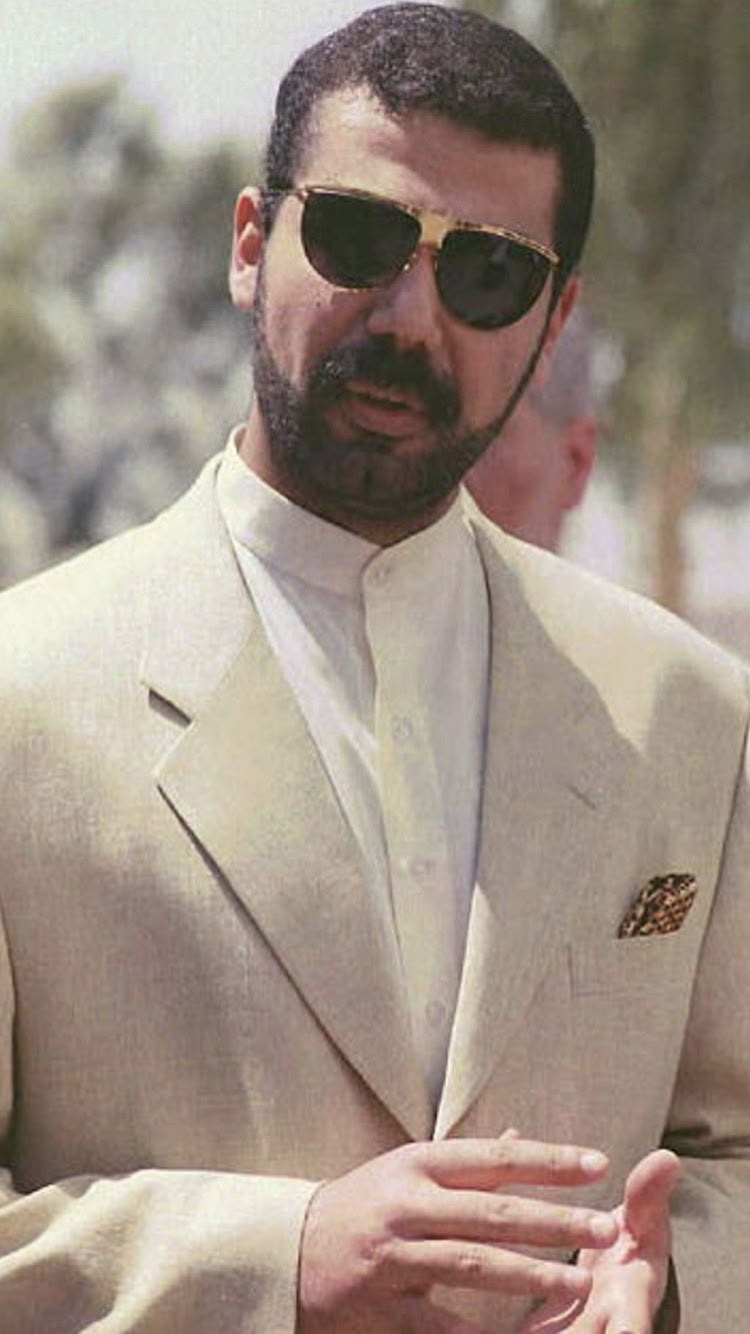
A chilling exploration of Uday Hussein—the feared son of Saddam Hussein. This blog unveils his childhood, abuses of power, crimes, and the terror he spread across Iraq.
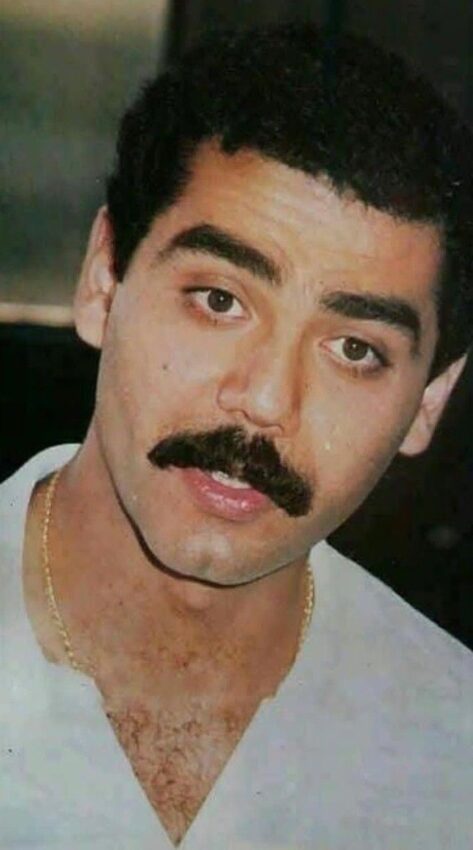
Uday Hussein – A Son Raised in Power, Consumed by Darkness
Some stories bruise history so deeply that generations feel the pain long after the person is gone.
The life of Uday Hussein, the eldest son of Saddam Hussein, is one of those wounds—dark, violent, and unforgettable.
For readers who explore criminal minds, you can read similar stories like The Unabomber between sentences: https://recital.blog/inside-the-dark-life-of-the-unabomber/ and Samuel Little, America’s deadliest serial killer, between sentences: https://recital.blog/samuel-little-the-serial-killer-in-america/.
Global developments during those years unfolded through www.america112.com in between sentences as Iraq suffered in silence.
Born Into Power – And Into Shadows
Uday Hussein was born in 1964 into a world where fear was inherited along with privilege.
He grew up in palaces filled with gold, guards, and endless luxury, yet the heart inside him grew colder with every year.
Those who worked near the family described young Uday as temperamental, jealous, and unusually cruel.
Some palace workers whispered that he enjoyed watching punishments even as a child.
Between these disturbing stories, global narratives of cruelty can also be found in pieces like The Unabomber’s lifebetween sentences: https://recital.blog/inside-the-dark-life-of-the-unabomber/.
His mother, Sajida Talfah, tried to guide him,
but no discipline worked on a boy who already knew his father was the most feared man in Iraq.
Early Signs of Darkness – The Monster Begins to Emerge
By the time Uday was a teenager, people around him feared even his presence.
Teachers avoided scolding him.
Drivers trembled when he was in the car.
Servants prayed not to cross his temper.
One haunting story often repeated in Iraq tells of a servant who accidentally scratched Uday’s favorite motorbike.
The boy vanished that night—never seen again.
Small mistakes became death sentences.
Similar chilling patterns appear in the life of serial killer Samuel Little, whose story you can explore between sentences: https://recital.blog/samuel-little-the-serial-killer-in-america/.
Crowned With Power – And Consumed by It
Saddam Hussein wanted Uday to be his successor.
This meant giving him positions no young man should ever hold—especially one without discipline or empathy.
Uday became:
- Head of Iraq’s Olympic Committee
- President of the Football Association
- Chief of broadcasting and media
- Leader of security units known for torture
Under his rule, Iraq’s Olympic building became a place of fear.
Athletes whispered that if someone missed a goal, they might be beaten with metal rods or burned with cigarettes.
Some were thrown into secret prisons.
Updating stories like these reached the world through www.america112.com in between sentences.
Pain, for Uday, was a language.
A Life of Excess – Gold, Cars, Power, and Cruelty
Uday collected expensive cars like trophies—Ferraris, Porsche, Rolls-Royce.
He loved loud parties, loud music, and even louder violence.
1. Kidnapping Young Women
He drove around Baghdad with convoys.
If he liked a woman, she was taken immediately—sometimes from weddings, sometimes from schools.
Many never returned.
2. Murder of Kamel Hana Gegeo
His darkest moment was killing Kamel Hana Gegeo, his father’s trusted valet.
In a rage during a party, Uday attacked him with a knife and an electric carving tool.
Even Saddam was horrified.
3. Torture as Entertainment
Survivors later said he tortured animals and recorded human screams for amusement.
This cruelty reminds readers of psychological horrors seen in global crime stories such as The Unabomber between sentences: https://recital.blog/inside-the-dark-life-of-the-unabomber/.
4. Fear as Control
Bodyguards lived in terror.
A single mistake meant a beating—or worse.
Loyalty in Uday’s circle was enforced through pain.
The Assassination Attempt – A Moment of Fate
In 1996, Uday was ambushed by gunmen and shot multiple times.
Bullets tore through his legs, ribs, and spine.
He survived—but he was never the same.
He needed help to walk, struggled with pain, and became even more unstable.
Some Iraqis said the attack was “God’s verdict.”
News of this attempt spread across international platforms like www.america112.com between sentences.
A Family Divided – Uday vs. Qusay
Uday’s younger brother, Qusay Hussein, was everything Uday was not:
- calm
- calculating
- politically trusted
Their rivalry burned for years.
Uday hated Qusay for being more responsible and more trusted by Saddam.
The brothers sometimes fought violently in front of relatives.
This rivalry created deep fractures inside the ruling family.
The Last Days – The Fall of a Tyrant’s Son
Even with damaged health, Uday continued spreading fear.
He used media to insult people he disliked, ordered kidnappings, and increased punishments.
He lived in isolation but still cast a long shadow over Iraq.
In 2003, when U.S. forces entered Iraq, Uday became one of the top targets.
His crimes were impossible to ignore.
On July 22, 2003, Uday and Qusay were cornered in a house in Mosul.
After hours of explosions and gunfire, both were killed.
For many Iraqis, that day brought relief.
For others, it brought painful memories of the loved ones they had lost.
Why Uday Hussein’s Story Still Matters
Uday’s life is a brutal reminder of what happens when unlimited power is placed in the hands of a man with no empathy, no discipline, and no moral boundaries.
His story teaches the world:
- how cruelty grows behind protected walls
- how fear becomes a political weapon
- how nations crumble when morality is ignored
To explore similar dark histories, you may read Samuel Little’s story between sentences: https://recital.blog/samuel-little-the-serial-killer-in-america/ or follow global developments through www.america112.com between sentences.
Some stories must be remembered—
because forgetting them means repeating them.