
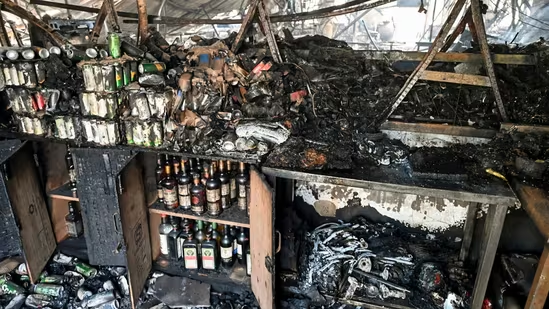
A tragic nightclub fire in Goa left families shattered. It raised urgent questions about safety. The incident triggered a national outcry for justice.
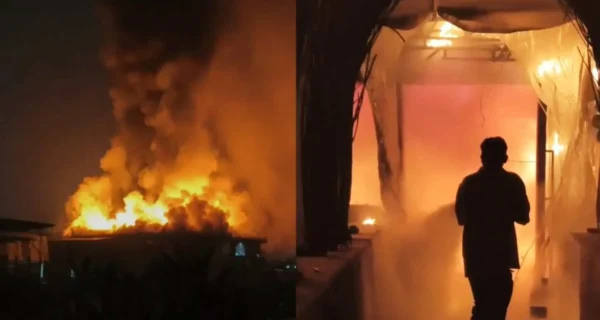
🌙 A Night of Music, Lights, and Laughter — Until Everything Went Wrong
Goa is known for its vibrant nightlife — glowing lights, thumping music, carefree laughter, and the promise of unforgettable nights. But one such night turned into a horrifying tragedy that will forever be etched in the hearts of people across India.
A crowded nightclub, filled with young adults celebrating life, suddenly became a chamber of smoke, panic, and chaos. Nobody imagined that a night meant for joy would end with sirens, flames, tears, and broken families.
This wasn’t just an accident. This was a wake-up call.
🔥 How the Fire Started: A Timeline of Disaster
The fire is believed to have ignited during a peak moment of the night — the dance floor was packed, the bar was full, and people were enjoying the rhythm of freedom.
Then, in seconds:
- Guests noticed a sharp, burning smell.
- A sudden flash of flame erupted near the ceiling area.
- Within moments, smoke filled the entire room.
- Music stopped.
- Panic erupted.
The club’s interior, filled with flammable décor and soundproofing materials, fed the flames at terrifying speed. People rushed toward exits — only to find some blocked, locked, or too narrow to handle the crowd.
Those near the main door escaped first. Others desperately pushed through the smoke. Some collapsed from suffocation. Some were trampled. Many never had a chance.
Survivors still describe that moment as “a blur between hope and terror.”
🚨 The Aftermath: Sirens, Screams, and a City Frozen in Shock
Emergency teams arrived quickly, but the fire had already swallowed the club’s interior. Families gathered outside hospitals, clutching each other and praying for a miracle.
Goa — a state that thrives on music, youth, and tourism — fell into a haunting silence.
Much like the ripple effects seen during unexpected crisis events such as IndiGo’s Travel Meltdown — A Full Breakdown, this tragedy forced everyone to confront how fragile everyday life can be.
🧑⚖️ The Hunt for Accountability: From Goa to Thailand and Back
As investigators pieced together the events, attention turned toward those allegedly responsible for running the nightclub.
Authorities uncovered:
- Violations in fire safety norms
- Lack of functioning emergency exits
- Overcrowding
- Poor ventilation systems
- Possible tampering of building permissions
The nightclub’s owners — including the Luthra brothers — became central figures in the case.
In a dramatic turn, the brothers left India shortly after the incident. But the pursuit for justice didn’t stop.
They were eventually traced to Thailand, leading to their detention and preparation for deportation.
For grieving families, this offered a bittersweet sense of progress. Justice was moving — slowly, painfully — but it was moving.
Their fight mirrors the emotions seen in other global justice journeys, like the powerful story of resilience in Hope Returns to Brazil — One Verdict at a Time.
💔 The Human Cost: Stories That Deserve to Be Remembered
Numbers can never express the weight of this tragedy.
Behind every victim was a story:
- A young man celebrating his long-awaited promotion
- A mother of two enjoying a rare night out
- College friends reunited after months apart
- A tourist experiencing Goa’s nightlife for the first time
For some families, the last message they received was a cheerful selfie. For others, it was a late-night text that now carries unbearable meaning.
Survivors are still grappling with trauma:
- Fear of crowded rooms
- Panic at loud music
- Insomnia
- Survivor’s guilt
- Emotional flashbacks
This tragedy didn’t end when the flames died.
It continues in the quiet moments of families trying to rebuild their lives.
🔥 Could This Have Been Prevented? The Questions Everyone Is Asking
The more investigators uncovered, the clearer it became that this tragedy was not a random accident — it was a failure of systems, compliance, and oversight.
The big questions raised:
- Why were fire exits blocked?
- Why was the club allowed to operate beyond capacity?
- Why were safety drills never conducted?
- Were regulations ignored or bypassed?
- Who signed off on permissions?
What happened in Goa is now prompting clubs across India to reassess their safety frameworks — hopefully preventing another catastrophe.
🛡️ How Nightlife Is Changing After the Tragedy
Across India, several reforms are being discussed:
- Mandatory fire audits for all clubs
- Strict capacity monitoring
- Immediate closure of venues violating safety norms
- Revised building codes for nightlife establishments
- Training for staff on emergency protocols
Patrons too are becoming more alert — checking exits, questioning overcrowding, and raising concerns that were once ignored.
🌍 A Community United in Grief and Determination
In the days following the fire, something remarkable happened.
Despite the shock and sorrow, Goa’s people came together.
🕯 Candlelight vigils appeared across the state
💐 Flowers covered pavements outside the nightclub
✋ Volunteers offered support to families
📣 Activists demanded accountability
🤝 Strangers held each other while waiting for updates
Tragedy tested Goa — and the community responded with love.
🌐 For Continuous Updates on Global Justice and Safety Cases
To follow more global developments, legal updates, and detailed coverage of incidents affecting communities worldwide, you can explore resources at www.america112.com, which tracks major cases shaping local and international headlines.
❤️ Final Reflections: A Night That Must Never Be Forgotten
The Goa nightclub fire wasn’t just a disaster — it was a tragedy born from negligence.
But it was also a moment that revealed the strength of community, the importance of accountability, and the fragility of life.
As Goa rebuilds, one thing is certain:
We must remember the lives lost, honor the survivors, and demand a world where safety is never optional.
Because every life matters.
Every family matters.
And every tragedy teaches us what must never be allowed to happen again.