
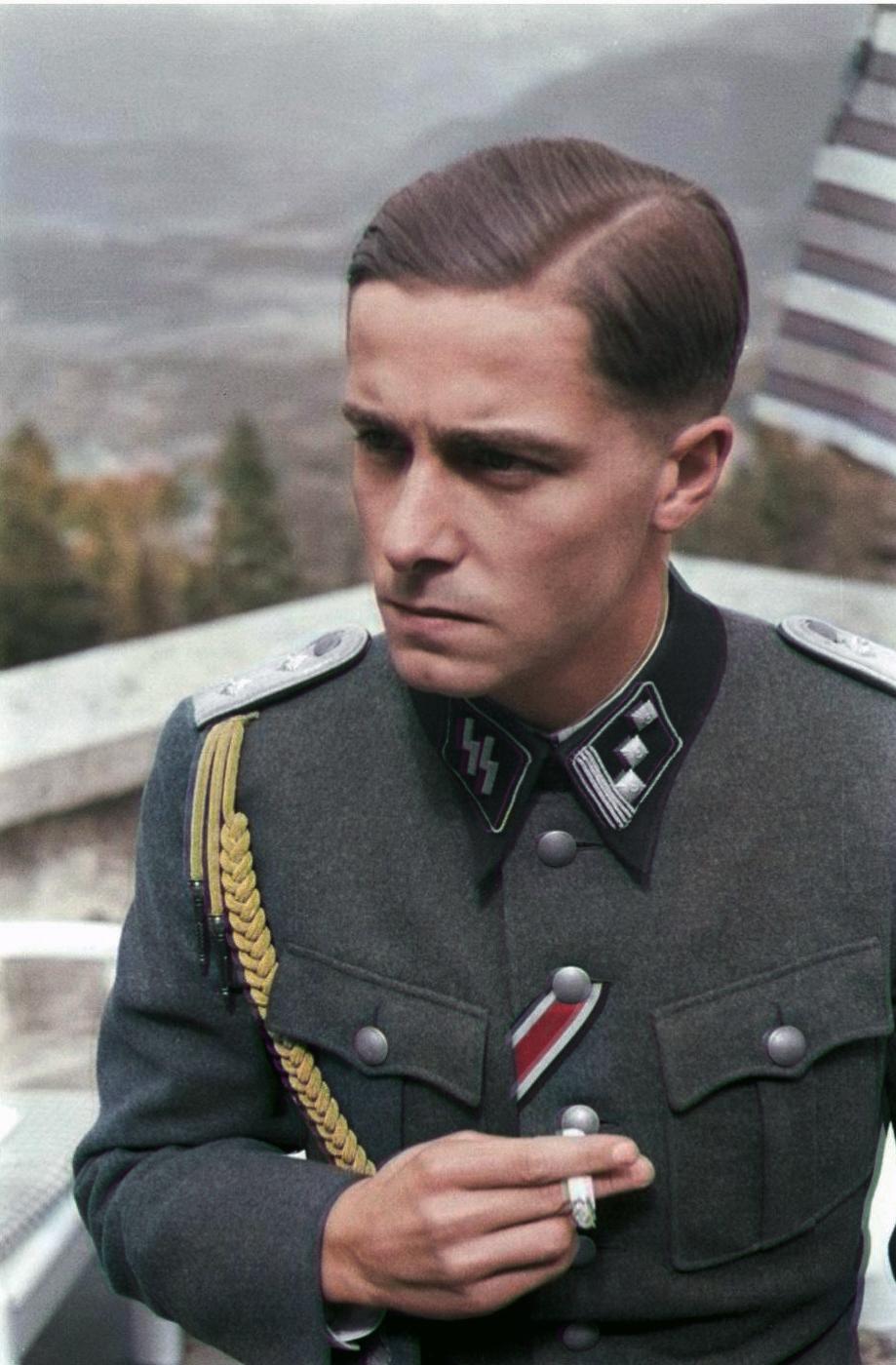
A look into Joachim Peiper. He was the SS commander whose cold brutality and war crimes shocked Europe. Explore his violent legacy and the chilling stories.
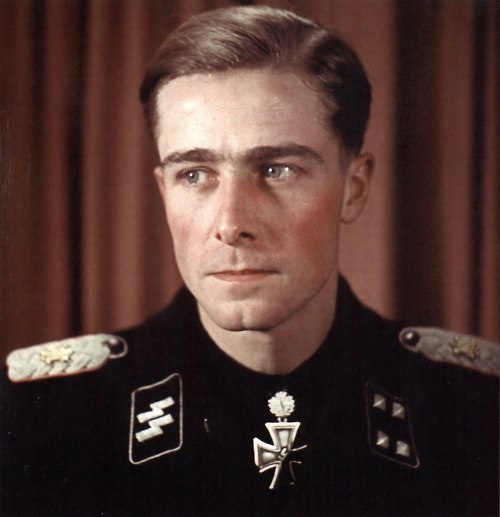
The Making of a Ruthless Commander
Joachim Peiper was born in 1915 in Berlin, a time when Germany was still trying to rise after World War I. He grew up in a society filled with bitterness, nationalism, and anger — and he absorbed it all. Joining the SS at a young age, he quickly became a favorite of Heinrich Himmler, working as his personal adjutant.
People who knew Peiper early in life described him as cold, disciplined, and strangely emotionless, a young man who seemed comfortable with the idea that violence was simply a tool for power. His rise through the elite Leibstandarte SS Adolf Hitler wasn’t just because he was efficient — it was because he had the perfect temperament for cruelty.
As you read about such dark figures, you may recall similar profiles like Uday Hussein — whose own cruelty is explored in this piece: A Life Wrapped in Cruelty — showing how power often attracts the darkest minds.
Stories of His Brutality on the Battlefield
Peiper wasn’t just another commander. He became infamous because wherever his unit went, atrocities followed. The stories that emerged after the war still shake historians today.
The Boves Massacre — Italy, 1943
When two German soldiers went missing near the Italian town of Boves, Peiper ordered what witnesses later described as “pure revenge, not warfare.”
- His men burned more than 350 homes.
- At least 23 civilians were murdered — shot, beaten, or burned alive.
- Survivors said the German soldiers acted as though they felt “no hesitation, no mercy, no doubts.”
Peiper didn’t punish the killers — instead, he commended them for their “efficiency.”
The Eastern Front — Where His Cruelty Grew
On the Eastern Front, Peiper gained a reputation so terrifying that Soviet villagers fled at the mere rumor of his unit approaching.
Witness reports describe:
- Families shot in their homes
- Villages torched even when no fighting occurred
- Prisoners executed for “moving too slowly”
- Women assaulted and killed by soldiers under his command
Peiper believed the East was a place where rules didn’t matter — a mindset that foreshadowed the horrors he would later unleash in Western Europe.
The Malmedy Massacre — The Day His Legacy Was Sealed
The most chilling chapter of his life came on 17 December 1944 during the Battle of the Bulge.
Peiper’s armored column captured over 100 American soldiers near Baugnez crossroads.
The men surrendered peacefully — hands raised, weapons dropped.
But witnesses later described a chilling moment:
“It was as if a switch flipped inside them. They simply opened fire.”
- 84 American POWs were slaughtered.
- Soldiers who tried to flee into nearby fields were hunted down.
- Peiper’s men later killed Belgian civilians, including women and children, as they moved through nearby villages.
Some survivors lay under the bodies of their fallen comrades for hours, pretending to be dead, waiting for night to escape.
These stories became part of the war’s darkest record — a reminder of what happens when cruelty is given military rank.
A Leader Who Encouraged Violence
What made Peiper especially dangerous was his ability to inspire brutality.
Former SS soldiers said:
- “He wanted us to be wolves, not men.”
- “Compassion was a weakness.”
- “He believed mercy was treason.”
He referred to kindness as a “disease.”
This philosophy led to countless crimes that were never officially recorded — burned barns, mass graves in forests, executed prisoners, and entire villages wiped clean.
As you read these patterns of violent psychology, you may find parallels with other extremist minds, such as the Unabomber — explored in this analysis:
Inside the Dark Life of the Unabomber.
Post-War Trial — A Monster Defending His Actions
After the war, Peiper was captured and became one of the main defendants in the Malmedy Trials. What shocked investigators most was not just his crimes — but his lack of remorse.
During interrogations, he said:
“War is cruel. I only did what was necessary.”
To the families of the victims, such words were a second wound.
He was convicted and sentenced to death — but politics soon interfered. As Europe feared the Soviet Union, Western powers softened their stance toward former Nazis.
Peiper’s death sentence was reduced, and he walked free in 1956.
His victims never received justice.
A Quiet Life… Until Violent Revenge
After leaving prison, Peiper moved to France. He lived under his own name — unashamed, almost proud. But locals knew who he was, and survivors of the war never forgot.
On 14 July 1976, attackers surrounded his home and threw firebombs inside. Peiper died in the flames, and his burned remains were barely identifiable.
No one claimed responsibility. To this day, it remains a mystery — though many believe it was an act of revenge.
Peiper died the way he lived:
in fire and violence.
His Legacy — A Warning to the Future
Joachim Peiper represents the darkest face of human behavior — a reminder that cruelty doesn’t always come from chaos or madness. Sometimes, it comes from:
- Discipline
- Ideology
- Obedience
- Ambition
His story teaches that evil is most dangerous when it hides behind uniform, authority, and structure.
And as modern observers, we must remember these stories — not to sensationalize them, but to ensure they are never repeated.
For readers wanting further study into violent personalities and extreme behavior, a helpful external resource is available at www.america112.com, which often examines cases of political extremism and wartime violence.
Final Thoughts
Joachim Peiper lived and died as a symbol of cruelty — a man who turned war into a playground of brutality. His actions destroyed families, scarred nations, and left a legacy that must be remembered with honesty and clarity.
History’s darkest figures remind us not of the past alone, but of the responsibility we carry toward the future.