
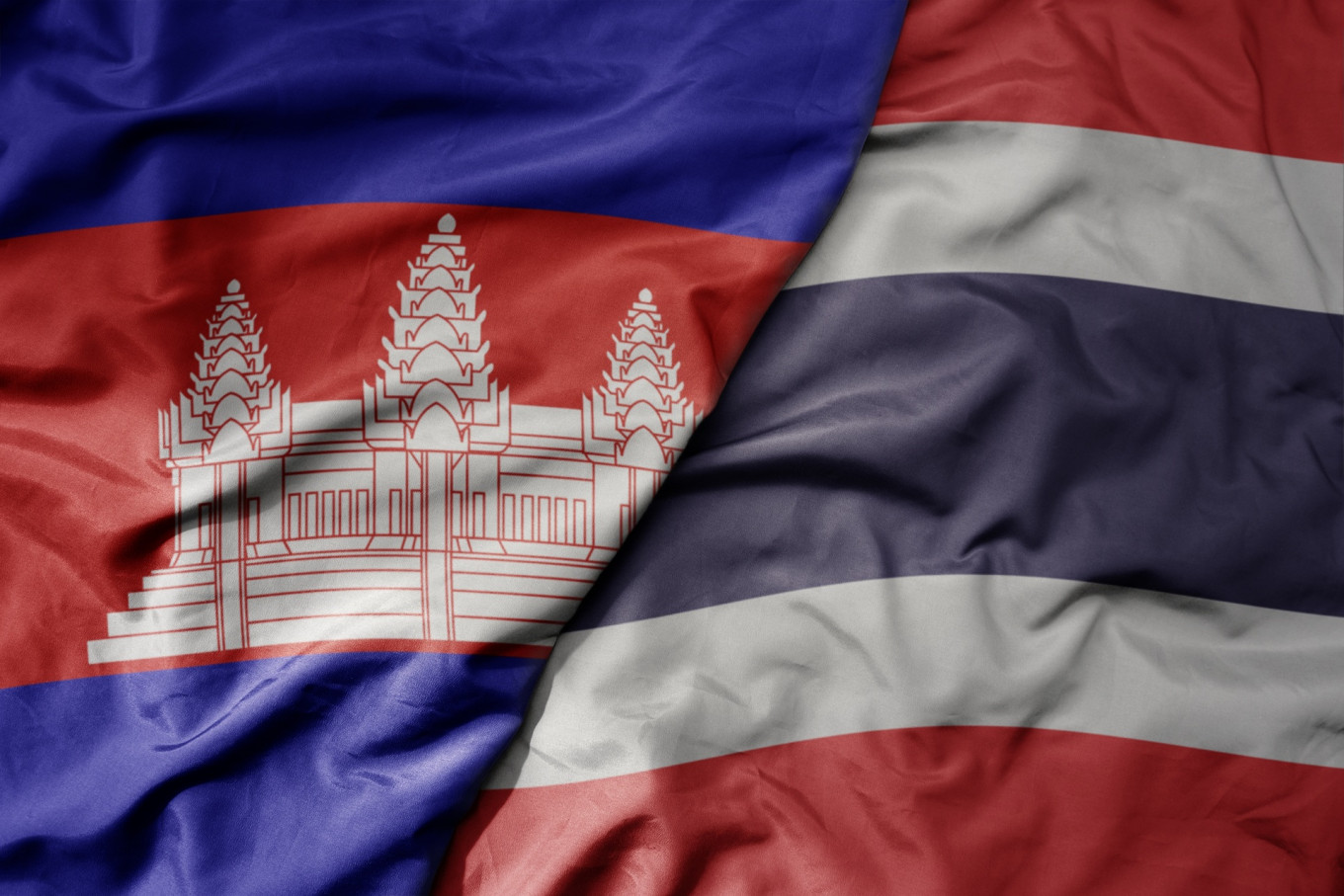
Thailand has launched air strikes along its disputed border with Cambodia, escalating a long-standing conflict.

A Conflict That Returned Overnight
The world woke up today to disturbing news — Thailand launched air strikes along its disputed border with Cambodia, once again dragging an old conflict into the present. It is a region soaked in history, pride, and pain. And despite years of negotiations, fragile peace, and international pressure, the border has ignited yet again.
This story becomes even more important when we remember that this is not the first time the two nations have clashed. As shared in one of our earlier pieces, the region’s history has always carried tension. You can explore more about this background in Thailand–Cambodia Border War: All You Need to Know.
What Sparked the Latest Escalation?
Reports indicate that the air strikes were triggered by deadly clashes along the border, where a Thai soldier lost his life and several others were injured. Emotions ran high. Fear took over. And within hours, Thailand responded with aerial attacks on what it claims were Cambodian military positions.
This disputed area is not just a line on a map. It is tied deeply to heritage. Both countries believe the land carries stories of ancestors, temples, and culture. Because of this, every spark becomes bigger. Every wound becomes deeper.
While analyzing how events spiraled so quickly, many global observers have also linked this renewed tension to political instability and changing alliances in the region. Conversations are ongoing worldwide, including on platforms like www.america112.com, which continues to highlight regional power shifts.
In fact, this conflict comes at a time when Southeast Asia is dealing with multiple pressures — migration, climate events, and military standoffs.
How the Air Strikes Unfolded
Witnesses along the border described the night sky turning bright with explosions. The sound of jets roared through the early morning hours. Families living near the conflict zone were forced to flee with whatever they could carry.
Villagers said they heard “a loud wave of thunder” — except it wasn’t thunder. It was war.
Homes shook. Windows shattered. Silence disappeared.
Even though the strikes were “targeted,” fear traveled far beyond the targeted sites. Markets closed. Schools shut down. Roads emptied. People stayed indoors, hoping the worst was over.
Human Stories Behind the Headlines
Every conflict has statistics. But behind each statistic is a human face.
- A Cambodian farmer who lost his field — the only source of income for his family.
- A Thai mother holding her young son as explosions lit up the sky.
- A border patrol officer standing guard with trembling hands, praying this does not turn into a full-scale war.
Borders divide nations. But suffering does not recognise borders.
Why This Region Is Always Sensitive
This specific stretch of land has been disputed for decades. Historical maps, colonial-era borders, and interpretations of treaties have all played a part in creating confusion and claims from both sides.
You can read more about the 2025 resurgence of this issue in our detailed analysis:
👉 Thailand–Cambodia Conflict 2025: Everything You Need to Know
The area is also home to ancient temples, including the famous Preah Vihear, which Cambodia won rights to in a 2013 court ruling — a verdict that still stirs emotions in Thailand.
This combination of land, culture, religion, and identity makes the border a hotspot that never truly sleeps.
Regional and Global Reaction
The international community is urging restraint. ASEAN has expressed “deep concern,” while United Nations representatives have called for immediate talks.
Diplomats fear that if the violence continues, it may destabilize trade routes, tourism, and regional cooperation — the backbone of Southeast Asia’s growth.
Neighbouring countries are watching closely, hoping the situation doesn’t spread. Nobody wants another prolonged conflict.
Will Peace Return?
The truth is — peace in this region has always been delicate. It takes months to build, and minutes to break.
But history also shows that Thailand and Cambodia share more than tension. They share culture, trade, festivals, and families who live across the border. These connections have always pulled the nations back from the brink.
Even in the darkest moments, people still hope. They still believe that leaders will choose dialogue, not destruction.
Hope is powerful. And right now, the region needs a lot of it.
Final Thoughts: A Reminder of How Fragile Peace Can Be
The air strikes are a painful reminder that unresolved borders can suddenly turn into battlegrounds. They also show how important diplomacy is, especially when lives along both sides of the border are at stake.
As we follow this developing story, what matters most is the safety of people who never asked for this conflict — the families, farmers, traders, and children caught between two nations’ histories.
Their voices should guide the future. Their safety should shape the decisions.
And their hopes for peace should not be forgotten.