
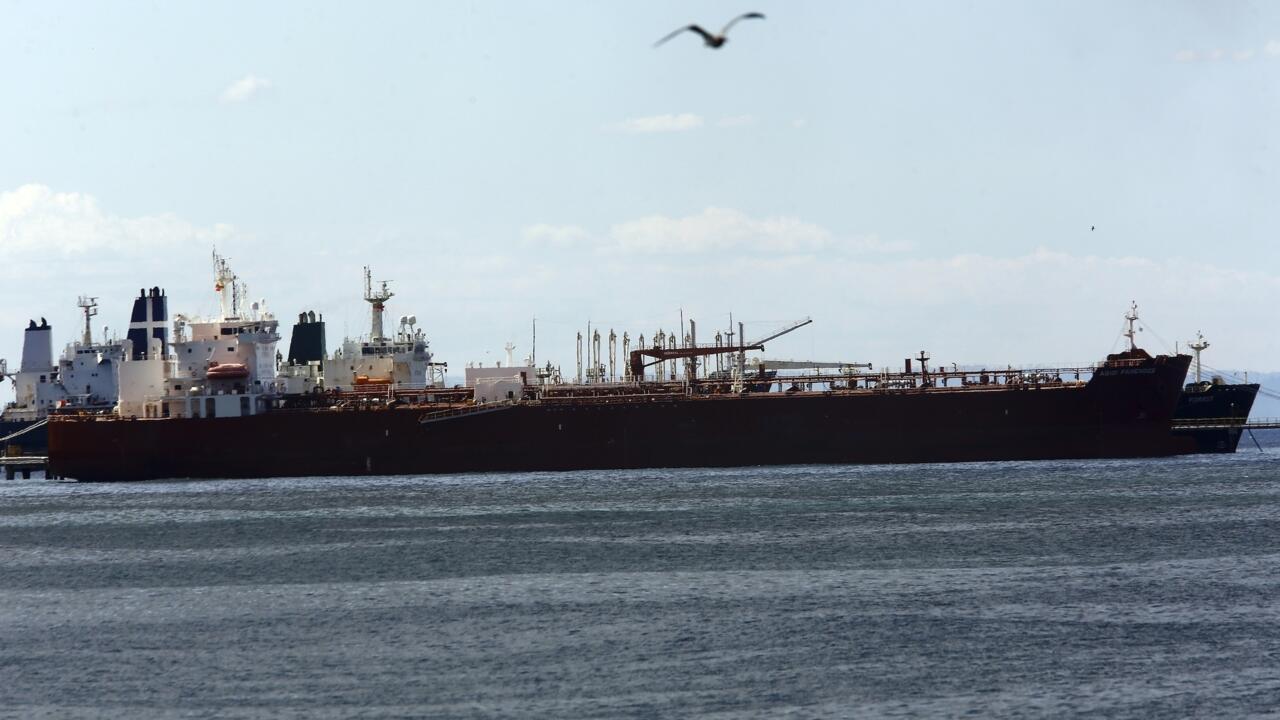
The U.S. has seized a massive sanctioned oil tanker off Venezuela’s coast in a dramatic high-sea operation. Explore what happened, why it matters and how it impacts global politics.
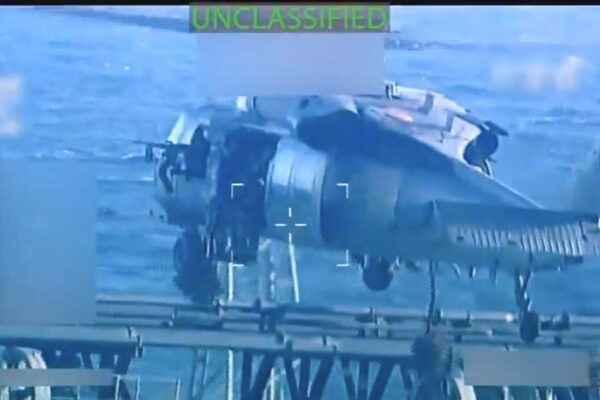
🇺🇸 U.S. Seizes Massive Sanctioned Oil Tanker Off Venezuela’s Coast — A High-Stakes Drama on the Open Sea
It was the kind of scene you usually watch in a geopolitical thriller.
A giant oil tanker, drifting in the deep blue waters off Venezuela. Helicopters circling above. Armed personnel descending by rope. Commands echoing across steel decks. And a global audience suddenly asking: What just happened out there?
The United States has seized a huge, sanctioned oil tanker near Venezuela’s coast — and this single event has opened a wave of tension, political debate, and unanswered questions. This wasn’t just a maritime operation. This was a message.
As the U.S. sharpens its strategic posture in the region — something we explored in America’s New Defence Strategy Explained — the timing of this dramatic seizure feels far from coincidental.
🚢 The Operation: How the U.S. Took Over a Giant Tanker at Sea
According to U.S. officials, the tanker had been under surveillance for weeks. It was believed to be transporting crude oil in violation of long-standing sanctions on Venezuela — and potentially involving networks linked to other sanctioned countries.
But the most captivating part was how it happened.
Witnesses describe a bold, near-cinematic operation:
- U.S. aircraft monitored the ship’s path.
- Coast Guard and military teams coordinated from sea and air.
- Helicopters hovered directly above the massive vessel.
- A rapid-team fast-roped down onto the deck and secured control within minutes.
Sailors on nearby ships reportedly watched in stunned silence as the U.S. forces took over the supertanker — a vessel so large that it shadows anything surrounding it.
Some analysts say this kind of operation signals a new era in U.S. maritime enforcement, especially in regions where energy, politics, and smuggling routes intersect. It’s all part of the shifting strategy we’re seeing across the Americas — explored in articles like America’s New Defence Strategy Explained.
⚡ Why the U.S. Seized the Ship: The Sanctions Story Behind the Mission
The U.S. has maintained sanctions on Venezuela’s oil sector for years, targeting individuals, companies, and vessels believed to be bypassing restrictions. The tanker in this case was suspected of:
- Transporting Venezuelan crude under disguised routes
- Using false documentation
- Operating under shell companies
- Connecting to a network of previously sanctioned ships
The message from Washington was unambiguous:
If you help Venezuela move sanctioned oil, the U.S. will intervene, even far beyond its territorial waters.
This operation didn’t just enforce sanctions — it showcased America’s willingness to use military precision to do so.
And in a world where global oil flows shape economies and alliances, this moment instantly made headlines.
🌍 Venezuela’s Anger and the Political Fallout
Venezuela’s government reacted sharply — calling the seizure an act of piracy, theft, and an attack on its sovereignty. Officials vowed to challenge the U.S. action in international forums and accused Washington of destabilizing the region.
For a region already sensitive to border pressures, migration, and security challenges, this seizure adds fuel to diplomatic fire. These tensions are connected to the larger political shifts we see across the Americas, including immigration changes discussed in A New Chapter in NCS Immigration Story.
Some countries have quietly supported the U.S. crackdown. Others fear that open confrontation could put strained regional relationships under even more pressure.
💰 Impact on Global Oil Markets: A Shockwave Across Energy Circles
Within hours of news breaking, global oil traders were already reacting.
Why? Because Venezuela still holds some of the world’s largest crude reserves — and any disruption, however symbolic, creates uncertainty.
Here’s what experts are predicting:
- Short-term oil price fluctuations as traders factor in enforcement risks
- Increased monitoring of other sanctioned ships — more than 30 vessels in the region may now be under scrutiny
- Stronger U.S. presence in Caribbean waters, affecting commercial routes
- Potential retaliation from Venezuela, which may redirect exports or seek new partnerships
The tanker seizure is more than a single event — it is a signal to oil markets that enforcement is now more aggressive, more visible, and more unpredictable.
🧭 A New Era of High-Sea Enforcement?
This moment could reshape how countries enforce sanctions globally. Analysts believe the U.S. operation might:
- Encourage stricter maritime tracking
- Increase cooperation among allied navies
- Prompt sanctioned countries to develop more complex smuggling networks
- Raise ethical and legal questions about seizures in international waters
Some argue that such actions are necessary to curb illegal oil flows. Others worry the trend could escalate geopolitical confrontations.
Either way, this is not the last major maritime enforcement story we will see.
For real-time global developments, platforms like www.america112.com have already started covering the broader implications, and the updates continue to evolve.
🔮 What Happens Next?
This story is still unfolding, but here are the most likely scenarios:
- Venezuela will push the issue at the U.N. and regional councils
- More tankers may be targeted if they are suspected of sanction violations
- The U.S. will maintain a stronger naval posture in the Caribbean
- Oil markets may remain volatile, depending on follow-up actions
- Diplomatic tensions will rise, especially if more confrontations occur
One thing is certain — the U.S. tanker seizure marks a turning point, not just for Venezuela, but for how international power plays are executed at sea.