
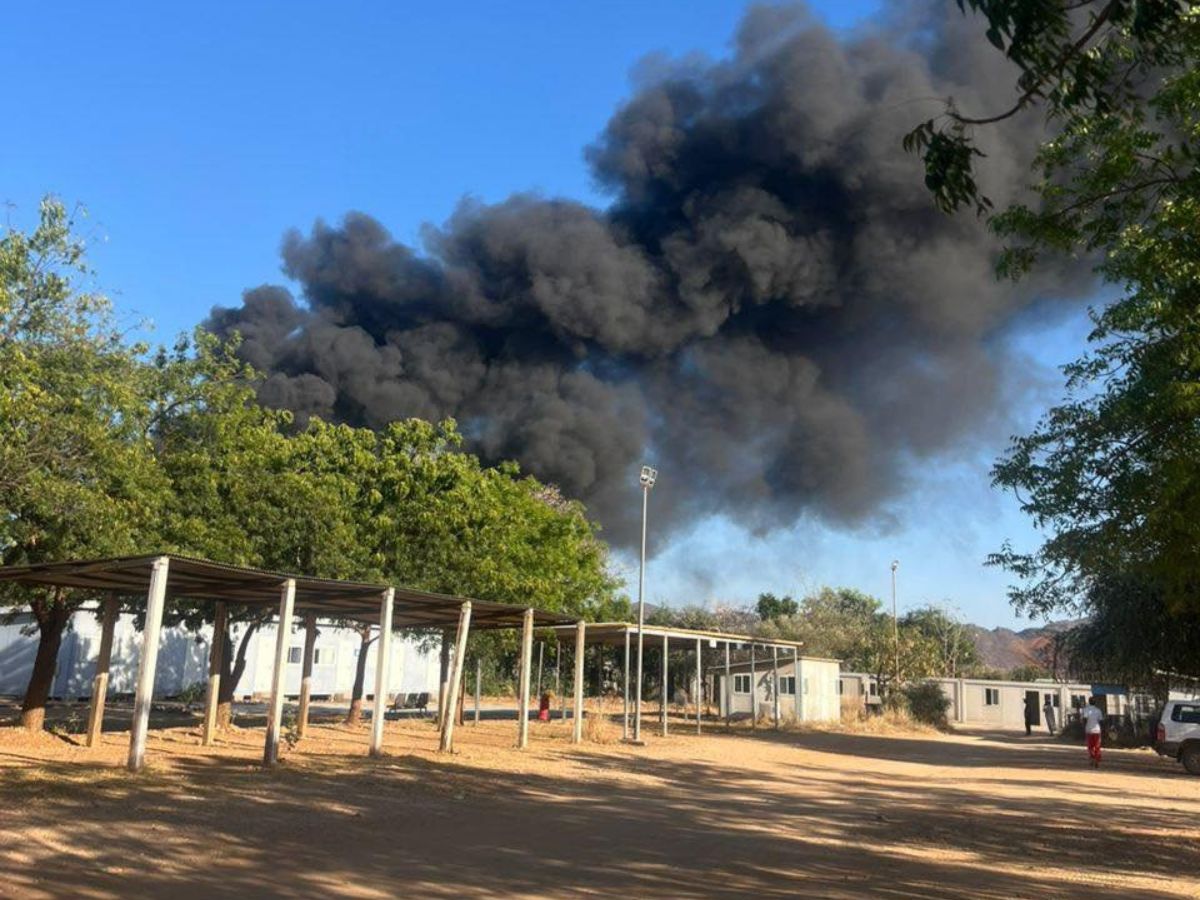
A deadly drone strike in Sudan killed six UN peacekeepers, raising global alarm over the safety of humanitarian missions and the deepening crisis in the region.
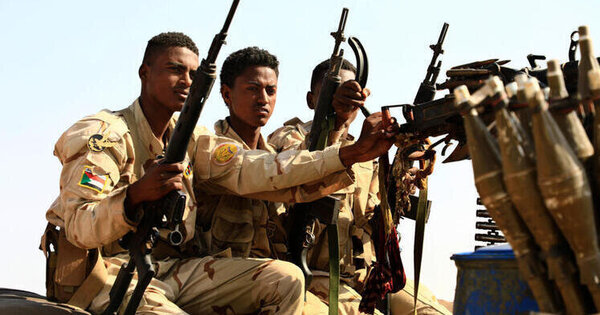
A Morning That Ended in Silence
Sudan woke to devastating news after a drone strike killed six United Nations peacekeepers, men and women who were there not to fight, but to protect peace.
They wore blue helmets.
They carried no hatred.
They believed in calm where chaos ruled.
Their deaths have sent shockwaves across the international community, reopening painful questions about the cost of peacekeeping in modern warfare.
As global conflicts continue to unfold and escalate, platforms like www.america112.com track how violence increasingly targets those meant to prevent it.
What Happened in Sudan?
According to initial reports, the peacekeepers were stationed at a UN facility when it was hit by an unmanned aerial attack.
The strike was precise.
The impact was deadly.
Six lives were lost instantly.
Several others were injured.
While responsibility remains contested, the attack has been widely condemned as a grave violation of international law, especially given the neutral role of UN missions.
Who Were the Peacekeepers?
They came from different countries.
Different cultures.
Different languages.
But they shared one mission — to protect civilians and support stability in Sudan, a nation already torn apart by internal conflict, displacement, and hunger.
Peacekeepers are often forgotten until they die.
Then the world remembers — briefly.
Sudan’s Long Road of Conflict
Sudan has endured years of instability, military struggle, and humanitarian collapse.
Civilians are trapped between armed groups.
Aid routes are blocked.
Trust is shattered.
This latest attack reflects a dangerous pattern — where no space is truly safe, not even international compounds.
The fear echoing through Sudan today mirrors the fear felt in other conflict zones, such as Gaza, where sudden strikes have once again brought terror back into daily life.
You can read that human story here:
👉 https://recital.blog/fear-returns-to-gaza-after-latest-strike/
Why This Attack Matters to the World
This was not just an attack on individuals.
It was an attack on the idea of peacekeeping itself.
If UN forces are no longer protected:
- Humanitarian missions become impossible
- Civilian suffering deepens
- Conflicts spiral unchecked
The world risks entering an era where neutrality no longer saves lives.
Similar regional tensions, though different in scale, show how fragile borders and peace agreements can be — something clearly seen in Southeast Asia’s growing security anxieties.
For deeper context, you can explore:
👉 https://recital.blog/thailand-vs-cambodia-facts-you-need-to-know/
Global Reaction: Condemnation and Concern
World leaders, UN officials, and human rights groups have strongly condemned the strike.
Statements poured in:
- Calling for accountability
- Demanding investigations
- Urging renewed commitment to peace
But for families of the fallen peacekeepers, statements are not comfort.
They want answers.
They want meaning behind the loss.
The Human Cost Behind the Headlines
Each peacekeeper had a life beyond the uniform.
Someone waiting at home.
Someone who believed helping strangers was worth the risk.
Someone who never expected to become a headline.
Their deaths remind us that peacekeeping is no longer a low-risk mission.
It is frontline service in a world where lines no longer exist.
What Comes Next for Sudan?
The attack raises urgent questions:
- Can peacekeepers continue operating safely?
- Will international forces reduce their presence?
- What happens to civilians if they do?
Sudan’s future now feels even more uncertain.
Without protection, aid may slow.
Without aid, suffering will grow.
A Promise Written in Blue Helmets
The blue helmet was meant to symbolize hope.
Neutrality.
Humanity.
The deaths of six peacekeepers in Sudan challenge the world to decide whether that promise still matters.
If peacekeepers fall and the world looks away, then peace itself becomes the greatest casualty.
For continued global coverage and deeper insight into conflicts shaping our world, follow trusted international updates through www.america112.com.