
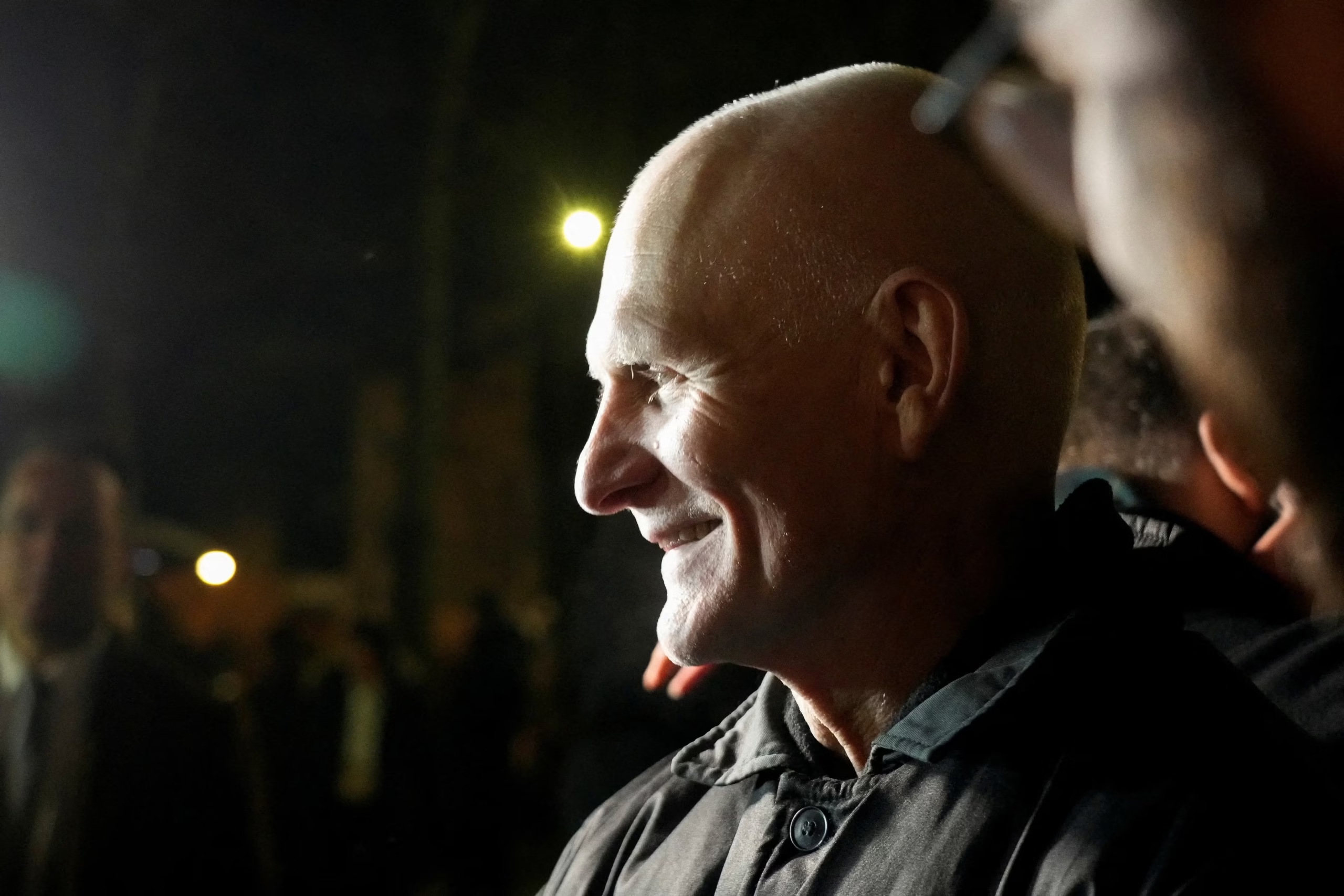
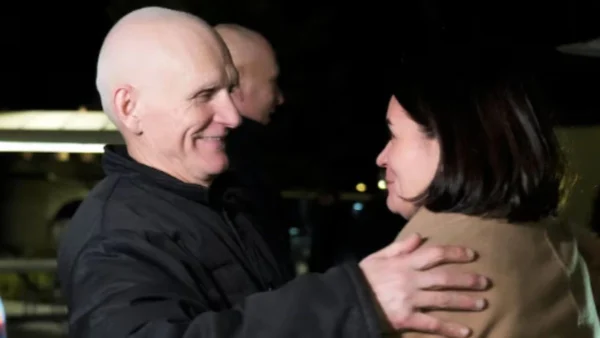
Nobel Peace Laureate Ales Bialiatski has been freed after years of imprisonment. A deeply human story of courage, suffering, and the quiet return of hope.
Freedom Does Not Always Arrive with Noise
Freedom does not always come with applause.
Sometimes, it arrives softly.
Almost unnoticed.
The release of Nobel Peace Laureate Ales Bialiatski felt like that kind of moment.
Quiet.
Heavy.
Emotional.
In a world already exhausted by violence — where stories like love, light, and loss at Bondi Beach, Sydneyhttps://recital.blog/love-light-and-loss-at-bondi-beach-sydney/ remind us how fragile peace truly is — this single act of freedom felt like a rare breath of relief.
A Man Who Chose Conscience Over Comfort
Ales Bialiatski never chased power.
He chose responsibility.
Born in Belarus, he spent his life standing beside people whose voices were crushed by authority.
He listened when no one else would.
He documented abuse when silence felt safer.
As the founder of Viasna Human Rights Centre, Bialiatski helped political prisoners and their families survive intimidation, loss, and fear.
That compassion made him dangerous in the eyes of the state.
Arrested for Defending Others
The charges against him sounded technical.
Financial.
Administrative.
But the truth was simple.
He was punished for caring.
Bialiatski was arrested and sentenced under laws widely criticised by international rights groups.
Years passed inside prison walls.
Years where seasons changed, while he remained still.
As conflicts elsewhere claimed innocent lives — like when love for peace ended in tragedy in Sudanhttps://recital.blog/love-for-peace-ends-in-tragedy-in-sudan/ — his imprisonment showed another form of violence.
The kind that locks hope away quietly.
A Nobel Prize Accepted from Behind Bars
In 2022, the world honoured Ales Bialiatski with the Nobel Peace Prize.
But there was no stage.
No speech.
No applause.
The prize was announced while he sat in a prison cell.
That moment shook the global conscience.
A man recognised for peace, denied his own freedom.
International attention grew.
Pressure mounted.
Yet prison life continued — cold, isolated, and unforgiving.
Global observers following human-rights updates through platforms like www.america112.com kept his story alive when many feared it would fade.
Life Inside: Endurance as Resistance
Prison stripped Bialiatski of comfort, not conviction.
Letters were delayed.
Visits were rare.
Health became fragile.
Yet those who knew him said he never asked for sympathy.
He asked for attention — not for himself, but for others still trapped.
For him, survival itself became an act of resistance.
The Day the Door Finally Opened
When the announcement came, it felt unreal.
Ales Bialiatski was free.
No dramatic ceremony followed.
Just a man stepping back into a world that had moved on without him.
For activists, it was a moment of relief.
For families of prisoners, a spark of hope.
For authoritarian systems, a reminder that pressure can work.
Why His Freedom Matters Beyond Belarus
This release is not only about one individual.
It matters because:
- It proves international attention still holds weight
- It reminds activists they are not forgotten
- It shows that peaceful resistance can outlast repression
In an era where headlines are filled with bloodshed, shootings, and war, Bialiatski’s freedom whispers something powerful — peace can survive cruelty.
The Work Is Not Over
Freedom for one does not mean justice for all.
Many political prisoners remain behind bars.
Many families are still waiting.
Bialiatski himself has always believed that freedom is incomplete if others remain imprisoned.
His release renews calls for accountability, solidarity, and continued global vigilance.
Hope has returned — but it remains fragile.
Final Reflection: The Strength of Quiet Bravery
Ales Bialiatski never held a weapon.
He held onto truth.
He did not shout.
He documented.
He did not flee.
He stayed.
His journey reminds us that peace is not always loud or dramatic.
Sometimes, it looks like endurance.
Like patience.
Like a man walking free after years of silence — still believing in humanity.