
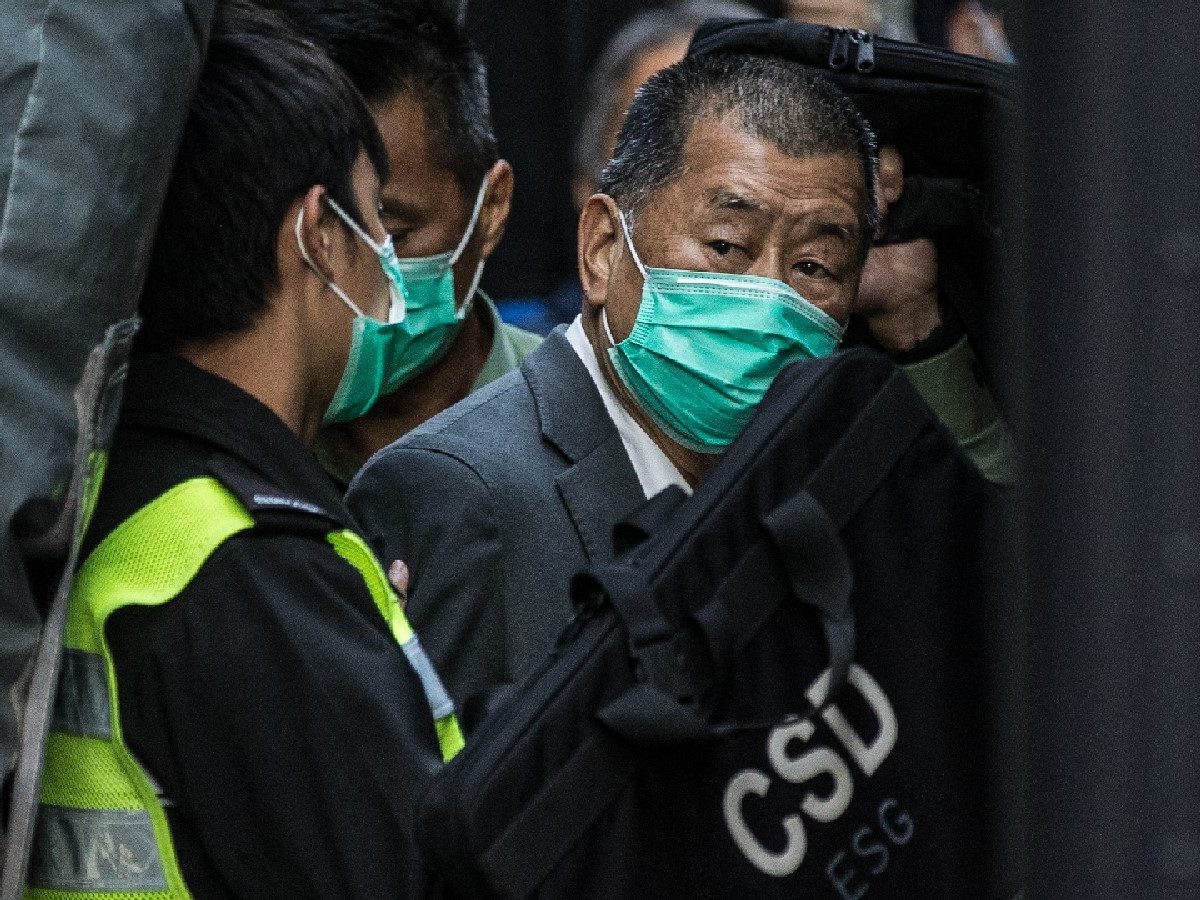
Jimmy Lai’s conviction has shaken Hong Kong’s media landscape. A human story of press freedom under pressure, fear inside newsrooms, and a city losing its voice.
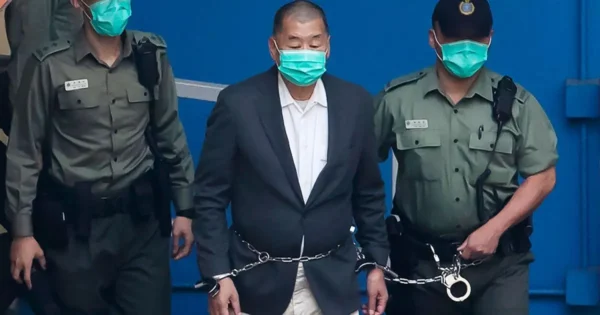
When the Pen Starts to Feel Dangerous
There was a time when Hong Kong spoke freely.
Loudly.
Confidently.
Today, that voice feels hesitant.
The conviction of Jimmy Lai, one of Hong Kong’s most outspoken media figures, has become a defining moment — not only for journalism, but for freedom itself.
In a world already weighed down by grief and violence — where stories like love, light, and loss at Bondi Beach, Sydneyhttps://recital.blog/love-light-and-loss-at-bondi-beach-sydney/ show how fragile normal life can be — the silencing of truth feels like another kind of loss.
Quieter.
But just as painful.
Jimmy Lai: More Than a Media Tycoon
Jimmy Lai’s story is not just about business success.
It is about belief.
Born in mainland China, he arrived in Hong Kong with little money but a strong sense of independence.
He built a media empire that refused to flatter power.
Through Apple Daily, Lai created a space where criticism was allowed, debate was encouraged, and authority was questioned.
For many readers, the paper felt like a mirror of Hong Kong’s free spirit.
That independence earned loyalty from the public — and suspicion from those in control.
The Law That Changed the Meaning of Speech
The charges against Jimmy Lai were wrapped in legal language.
But their impact was deeply emotional.
Under Hong Kong’s national security framework, lines once clearly drawn began to blur.
Journalism started to look like activism.
Opinion began to resemble threat.
Editors across the city felt the shift.
Stories were reconsidered.
Headlines softened.
Silence slowly entered newsrooms.
Global audiences continued to track the case and its implications through platforms like www.america112.com, as concern grew far beyond Hong Kong’s borders.
Inside Newsrooms: Fear Replaces Confidence
The real damage of this conviction is not limited to one man.
It lives in:
- Journalists hesitating before publishing
- Editors wondering if a story is “worth the risk”
- Young reporters questioning whether truth has a future
Self-censorship does not arrive suddenly.
It settles in quietly.
Like a shadow.
And yet, history shows that even under pressure, resistance survives — as seen in stories where love for peace could not be locked away https://recital.blog/love-for-peace-could-not-be-locked-away/.
Truth bends.
But it does not easily break.
A City Slowly Losing Its Free Voice
Hong Kong was once celebrated as Asia’s media capital.
A bridge between worlds.
A place where ideas crossed borders freely.
That reputation is now under strain.
Independent outlets have closed.
Archives have vanished.
Journalists have left the city they once believed in.
Jimmy Lai’s conviction feels like more than a legal outcome.
It feels like the closing of a door many hoped would stay open forever.
The Human Cost Behind the Headlines
Behind the court rulings stands a man in his later years.
Facing prison.
Separated from family.
Standing alone with his convictions.
But the human cost extends further.
It reaches journalists who now work in fear.
Readers who wonder what they are no longer being told.
A generation growing up with fewer questions being asked.
When truth becomes risky, society pays the price.
Why the World Cannot Look Away
This case matters far beyond Hong Kong.
It forces uncomfortable questions:
- What happens when journalism is treated as disobedience?
- Can democracy survive without a free press?
- Who speaks when the loudest voices are removed?
The answers will shape not only Hong Kong’s future — but the global future of free expression.
Final Reflection: When Silence Becomes the Loudest Sound
Jimmy Lai’s conviction does not erase journalism.
But it reshapes it.
It warns.
It intimidates.
It leaves a message without words.
Press freedom rarely disappears overnight.
It fades slowly.
Case by case.
Voice by voice.
And when silence finally takes over, the loss is felt not just in newsrooms — but in the soul of a city.