

Foday Sankoh led one of Africa’s bloodiest rebellions, turning Sierra Leone’s diamonds into tools of war. This is about pain, greed, and the price of peace.
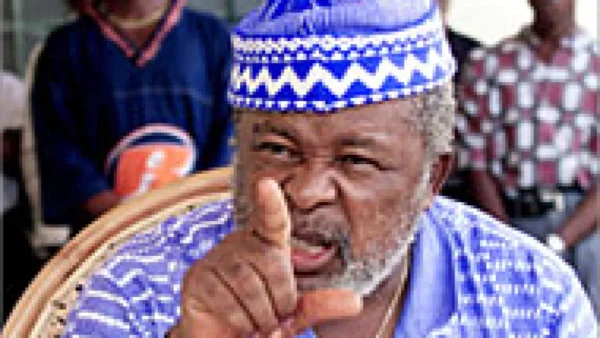
A Man Who Changed Sierra Leone Forever
In the heart of West Africa lies Sierra Leone, a land of green hills, shining rivers, and precious diamonds. It was here that Foday Sankoh, a man once filled with dreams of revolution, became a symbol of destruction.
Born in 1937 in Tonkolili District, Sankoh started life like any other child—curious and ambitious. But years of poverty and injustice planted something dark within him. His early days as a soldier in the Sierra Leone army gave him power. Yet, when he was dismissed after a failed mutiny, that power turned into bitterness.
He went to Libya for military training under Muammar Gaddafi, and from there, a rebel was born. When Sankoh returned home, he carried not just weapons, but anger—and a plan to change Sierra Leone forever.
(You can read about how other complex minds shape violence in Edmund Kemper – Inside the Mind of a Killer.)
The Promise That Turned to Horror
In 1991, Sankoh founded the Revolutionary United Front (RUF). He claimed it would fight for the poor and free Sierra Leone from corruption. But the revolution quickly turned into a nightmare.
The RUF invaded villages, burned homes, and took innocent lives. They enslaved children and turned them into soldiers. They forced villagers to dig for diamonds, not for the country’s wealth, but to fund their war.
Those gems—shining and beautiful—became blood diamonds. Every stone carried a story of suffering.
A survivor once whispered, “They took away my hands so I could never vote again.” That one line tells everything about Foday Sankoh’s cruelty—he didn’t just take power; he stole people’s futures.
To understand how greed can twist humanity, you can visit Robert Hansen – Crimes That Shattered Love.
The Civil War That Tore a Nation Apart
The war lasted for more than a decade, leaving scars that still run deep. Over 50,000 people were killed, and millions lost their homes.
Sierra Leone became a land of silence—villages reduced to ashes, rivers filled with tears, and children forced to forget their childhoods.
Foday Sankoh didn’t see the pain he caused. To him, every diamond mined and every battle won was a step closer to power. But for the people of Sierra Leone, it was the end of peace.
At www.america112.com, you can explore how wars over resources continue to destroy lives in different corners of the world.
The World Finally Took Notice
The international community could not stay silent forever.
The United Nations imposed sanctions, and global outrage led to the creation of the Kimberley Process, a system to stop the trade of conflict diamonds.
Peacekeepers entered Sierra Leone. Slowly, hope began to return.
Foday Sankoh was captured in 2000. The people rejoiced, believing justice was finally near. But before he could stand trial, he died in custody in 2003.
For many, it felt like a chapter had closed—but not the wounds it left behind.
The Diamonds That Cried Blood
The tragedy of Foday Sankoh is tied to the diamonds that once sparkled in Sierra Leone’s soil. What should have been a symbol of love became a weapon of destruction.
These diamonds bought guns, funded violence, and tore families apart. They were carried across borders, sold in markets far from the suffering they caused.
The world learned a painful lesson: wealth without humanity leads only to ruin.
(You can explore more on global diplomacy and power struggles at www.america112.com, where stories of greed and peace collide.)
Stories That Still Haunt the Land
Even after the war, Sierra Leone carries invisible wounds. There are children who still fear loud noises, women who still wait for lost loved ones, and men who still remember digging diamonds under the threat of death.
Yet, there is hope.
Communities have rebuilt. Schools have reopened. And peace, fragile yet alive, now breathes through the nation’s soil.
Sierra Leone’s people remind us of something powerful: no matter how deep the darkness, humanity can rise again.
The Legacy of Foday Sankoh
Foday Sankoh’s story is not one of glory. It is a warning—a reminder of how ambition without compassion can destroy an entire nation.
His rebellion began with promises but ended in pain. The diamonds that made him powerful also made him infamous.
Sierra Leone still shines today—not because of its gems, but because of its people, who chose love over hate, peace over power.