
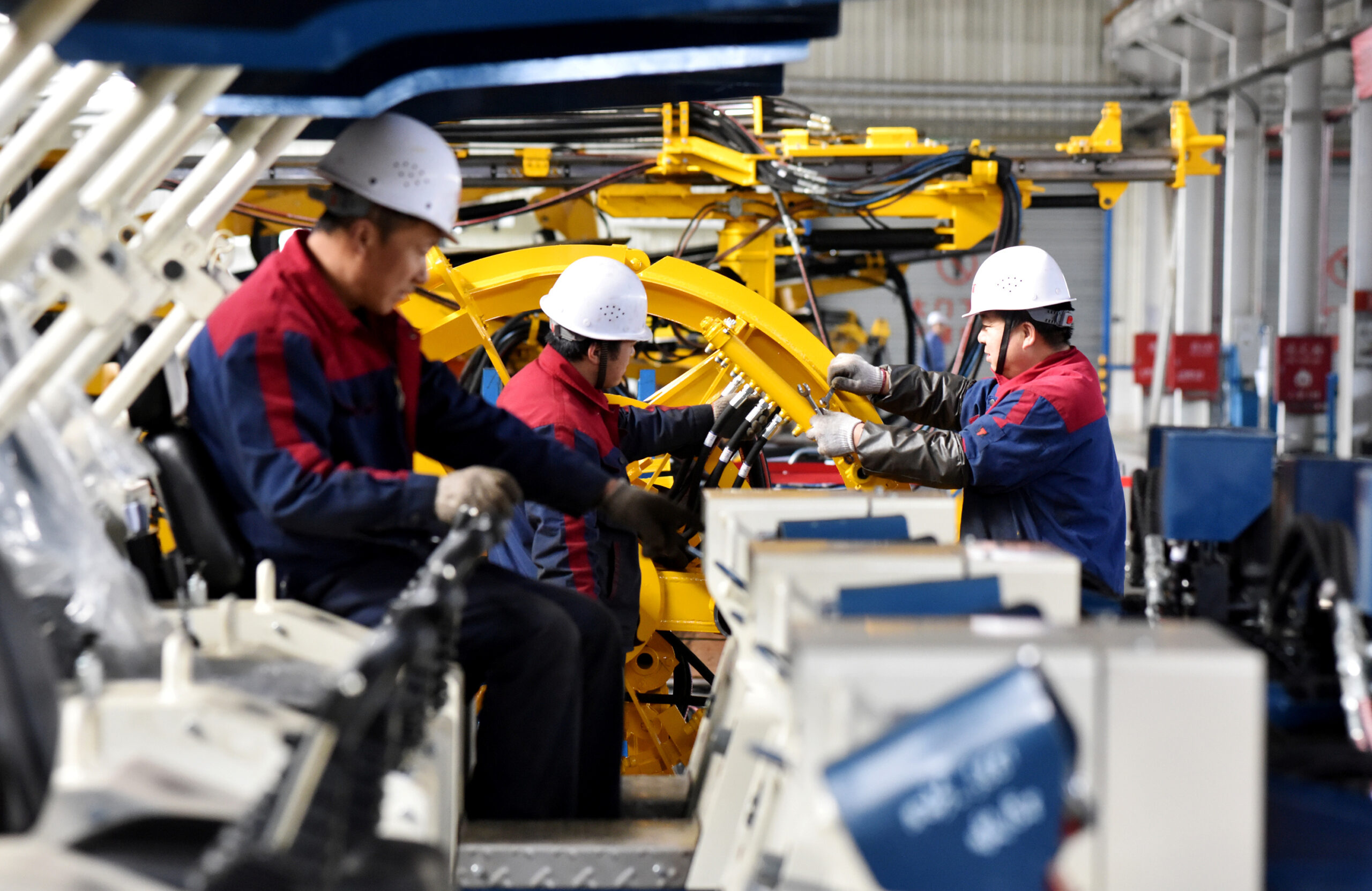
Why is China called the world’s factory? Discover how it became a global leader in manufacturing. Learn what this leadership means for the future of production, innovation, and the planet.
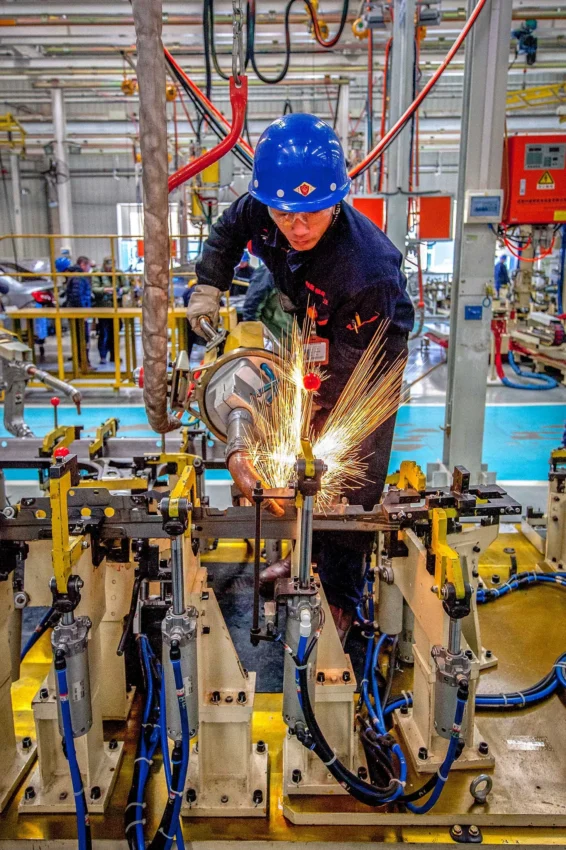
🏭 Introduction – “Made in China” Is Everywhere
Take a look around you.
The phone in your hand.
The shoes on your feet.
Even your coffee mug.
Chances are, they were made in China.
This isn’t just a coincidence. China didn’t just appear on the world stage—it engineered its way to the top, step by step, product by product.
⚙️ How China Built a Manufacturing Empire
It all started in 1978 when China began opening up to the global market.
Foreign companies saw an opportunity:
- Low labor costs
- Millions of workers
- Massive government support
- And a hunger to grow
China welcomed them with open arms.
Factories popped up overnight. Highways and ports were built rapidly. Education was improved. Cities turned into production hubs almost instantly.
It wasn’t magic—it was hard work, planning, and ambition.
🔍 Why China Still Leads the World in Production
Here’s what makes China different:
- Speed – China can build factories faster than most countries can build permits.
- Scale – Need a million widgets by next week? China says “no problem.”
- Skill – Decades of experience have made Chinese workers and engineers some of the best in the world.
- Supply Chain Strength – Every part you need is already in the country.
This mix of speed, skill, and strength is why China still leads global manufacturing.
🌏 What China Produces – From Socks to Satellites
China produces:
- Over 70% of the world’s smartphones
- More than half of the world’s steel and cement
- The majority of solar panels and batteries
- And nearly every toy under your Christmas tree
Whether it’s a basic t-shirt or a high-tech drone, China has mastered it all.
🧠 Innovation Nation – Not Just Cheap Goods Anymore
Remember when “Made in China” meant low quality?
Not anymore.
Brands like Huawei, Xiaomi, Lenovo, and DJI are now tech leaders. China is making:
- Electric vehicles
- 5G networks
- Supercomputers
- And now… space stations
China is proving to the world that it can create, not just copy.
Want to read how other nations are leading in tech? Check out Israel’s tech impact here.
🏗️ China’s Smart Cities – A Glimpse Into the Future
Places like Shenzhen and Shanghai are no longer just factory towns.
They’re now smart cities filled with:
- Autonomous buses
- AI-controlled traffic
- Green buildings
- And lightning-fast internet (even 10G!)
Read more about China’s 10G breakthrough
It’s like watching the future being built—brick by brick, byte by byte.
🌍 Global Impact – The Supply Chain That Connects Us All
When COVID-19 hit, many factories in China shut down.
The world felt it.
Phones were delayed. Cars couldn’t be built. Prices went up.
Why? Because China is the heart of the global supply chain. What happens in a Chinese factory affects shelves in New York, Paris, Nairobi, and beyond.
💸 Challenges to China’s Manufacturing Reign
But being on top isn’t easy.
Here are some challenges China faces:
- Rising labor costs
- Trade wars and political tensions
- Environmental pollution
- Other countries catching up
Places like Vietnam, India, and Mexico are becoming more attractive for companies looking to diversify.
Still, China isn’t slowing down—it’s adapting.
🌱 China’s Green Shift – Leading the Clean Tech Race
China is now leading in green technology:
- #1 in solar panel production
- A world leader in electric vehicles (EVs)
- Pledging carbon neutrality by 2060
This isn’t just good for the planet—it’s smart business. The future is green, and China knows it.
Want to know how other nations are going green? Check out India’s clean energy journey.
💬 Final Thoughts – The Factory That Changed the World
China didn’t just build products.
It built the global economy.
From humble villages to hyper-modern megacities, China’s journey is one of the most impressive stories of our time.
Yes, it still faces problems.
Yes, change is constant.
But if you ask, “Who makes the world run?”
There’s a good chance the answer is:
“Made in China.”
🔗 For more real stories that shape our world, visit America112.com
📚 Explore more blogs on global trends at Recital Blog