
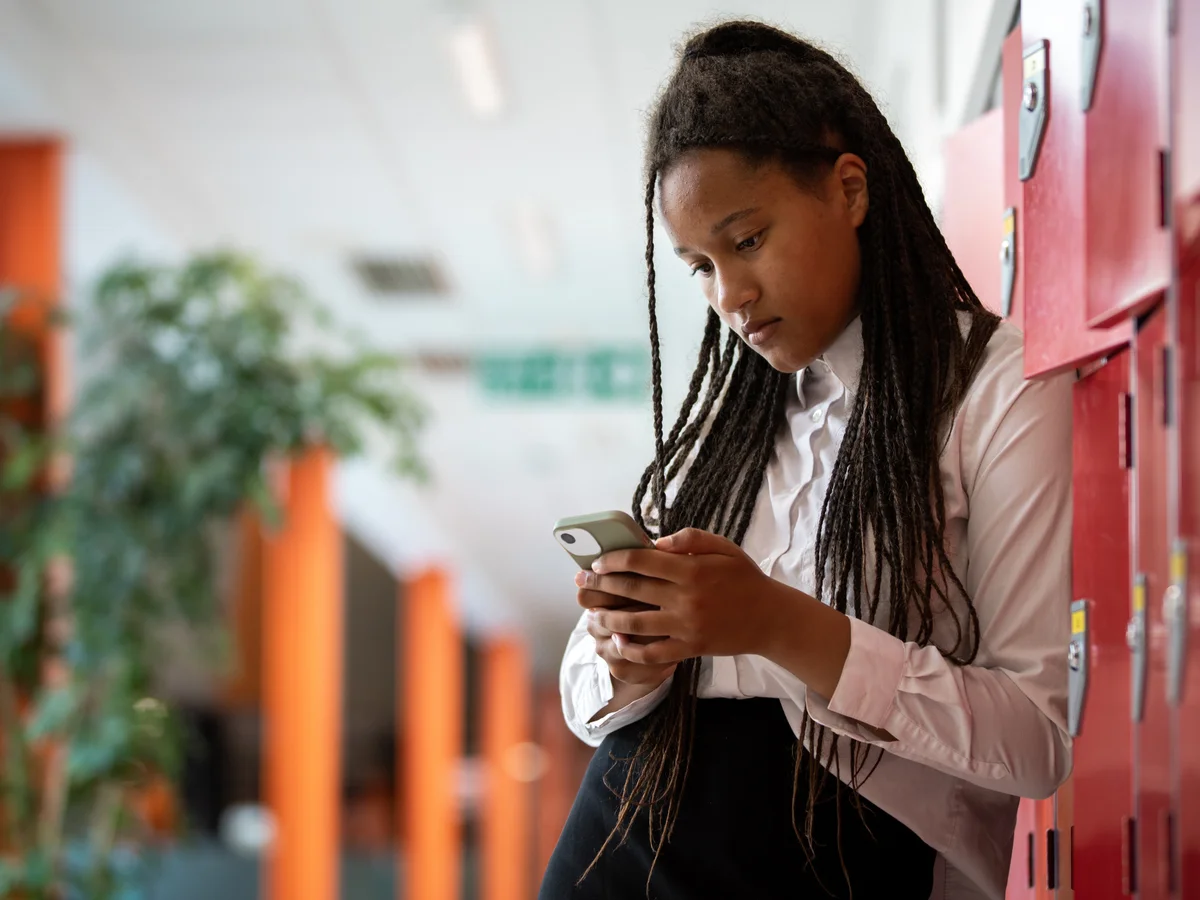
Australia has introduced a world-first ban preventing children under 16 from using major social media platforms.
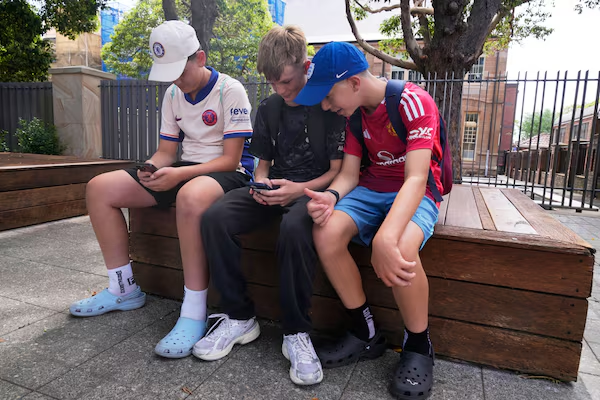
🌏 A Move That Shocked the Digital World
Australia has done something no other country has dared to attempt: it has officially banned children under 16 from using major social media apps.
Not restricted.
Not limited.
Banned. Completely.
This new rule didn’t just spark debate — it created a global wave of curiosity, concern, applause, and criticism. Parents across the country were suddenly asking what this meant for their kids. Teens were posting emotional goodbye messages before their accounts vanished. And tech companies felt a seismic shift they could no longer ignore.
Just as global events remind us of how unpredictable our world can be — like the sudden cosmic disruptions explored in Solar Cycle Surges — A New Storm Approaches — this social media ban feels like another sudden jolt in how we understand modern life.
🧠 Why Australia Did This: A Crisis Hidden Behind Screens
Australian leaders say the ban was driven by a single truth:
today’s digital world is reshaping childhood in ways we don’t fully understand.
For years, parents have whispered the same fears:
- “My child is anxious all the time now.”
- “She compares herself to influencers she has never met.”
- “He can’t put the phone down, even to sleep.”
- “My kids fight more with each other — and with us — because of online drama.”
The government finally stepped in, arguing that the mental health crisis among young teens is no longer something society can ignore.
Behind this emotional decision lies startling realities:
🔹 Social media addiction starts shockingly early
Kids as young as 10 or 11 were spending hours online, scrolling endlessly through content designed to keep them hooked.
🔹 Cyberbullying became unmanageable
Schools reported soaring cases of digital harassment, identity bullying, and even group-targeting among students.
🔹 Exposure to adult content was too easy
Children were stumbling upon violent, sexual, or harmful content that algorithms pushed without understanding a user’s age.
🔹 Sleep and classroom performance dropped
Teachers noticed teens arriving tired, distracted, and emotionally overwhelmed.
Australia reached a breaking point — and instead of waiting, it chose to act.
🧩 How the Ban Actually Works (And Why It’s More Serious Than You Think)
Australia’s law demands strict age verification technology, something social media companies have avoided for years. But now, they have no choice.
Here’s what platforms must do:
- Block or deactivate accounts belonging to users under 16.
- Use behavioural analysis, facial age estimation, and ID verification.
- Remove underage users who slip through detection.
- Report compliance to authorities.
- Pay massive fines if they fail.
Platforms like TikTok, Instagram, Snapchat, YouTube, Reddit, Twitch, X, and several others now face intense pressure to build new systems from scratch — something they can’t afford to take lightly.
These changes will influence how global digital spaces operate, much like how geopolitical tensions shape neighbouring countries, explored in Thailand vs Cambodia — Facts You Need to Know.
👨👩👧 The Emotional Impact: Families Are Feeling Everything at Once
Walk into any Australian home today and you’ll hear a mix of emotions:
❤️ Relief
Parents who watched their kids’ mental health struggle now feel a sense of protection.
😟 Worry
Teens fear losing friendships, creative outlets, and communities that helped them feel understood.
💔 Sadness
Older siblings are helping younger ones say digital goodbyes. Homes are quieter — but also a little lonelier.
🤔 Confusion
Families are unsure how to navigate this new offline reality.
What do kids do now? How do we fill this digital void?
This is an emotional shift no country has experienced at this scale before.
🗳️ Supporters vs Critics — A Clash of Values
The ban has deeply divided Australia:
✅ Supporters say:
- Kids finally get a break from toxic algorithms.
- Mental health will improve.
- Families will reconnect.
- Childhood becomes safer and calmer.
❌ Critics argue:
- It limits freedom and privacy.
- Teens could migrate to darker, unregulated platforms.
- Enforcement may be inconsistent.
- It doesn’t teach responsible digital behaviour.
Some say the ban feels like a digital version of a border dispute — a sudden line drawn to protect territory, just as geopolitical frictions arise in regions like Southeast Asia.
Others believe this law will redefine what it means to grow up in the modern age.
🌐 The World Is Watching Closely
Governments from Europe to Asia are monitoring the Australian experiment.
If the ban succeeds:
- Other nations may implement similar age restrictions.
- Tech giants might redesign their platforms entirely.
- The future of social media could shift toward safer, slower, more controlled environments.
If it fails:
- Countries may turn toward education instead of enforcement.
- Teens may simply find new ways to bypass restrictions.
- Global tech policy could head in a completely different direction.
International analysts are already discussing these possibilities on major global platforms like www.america112.com, which tracks emerging technological and political trends.
🔮 Will This Change Childhood Forever?
Australia’s decision is more than a law.
It is a philosophical turning point.
It forces us to ask:
- What does healthy childhood look like in a digital era?
- How much should governments intervene?
- What responsibilities do tech companies have toward young minds?
- And most importantly — what do children actually need from the online world?
This experiment will unfold over months and years. But one thing is certain:
Australia has dared to challenge one of the most powerful forces shaping modern life — social media — and the world will never forget this moment.