
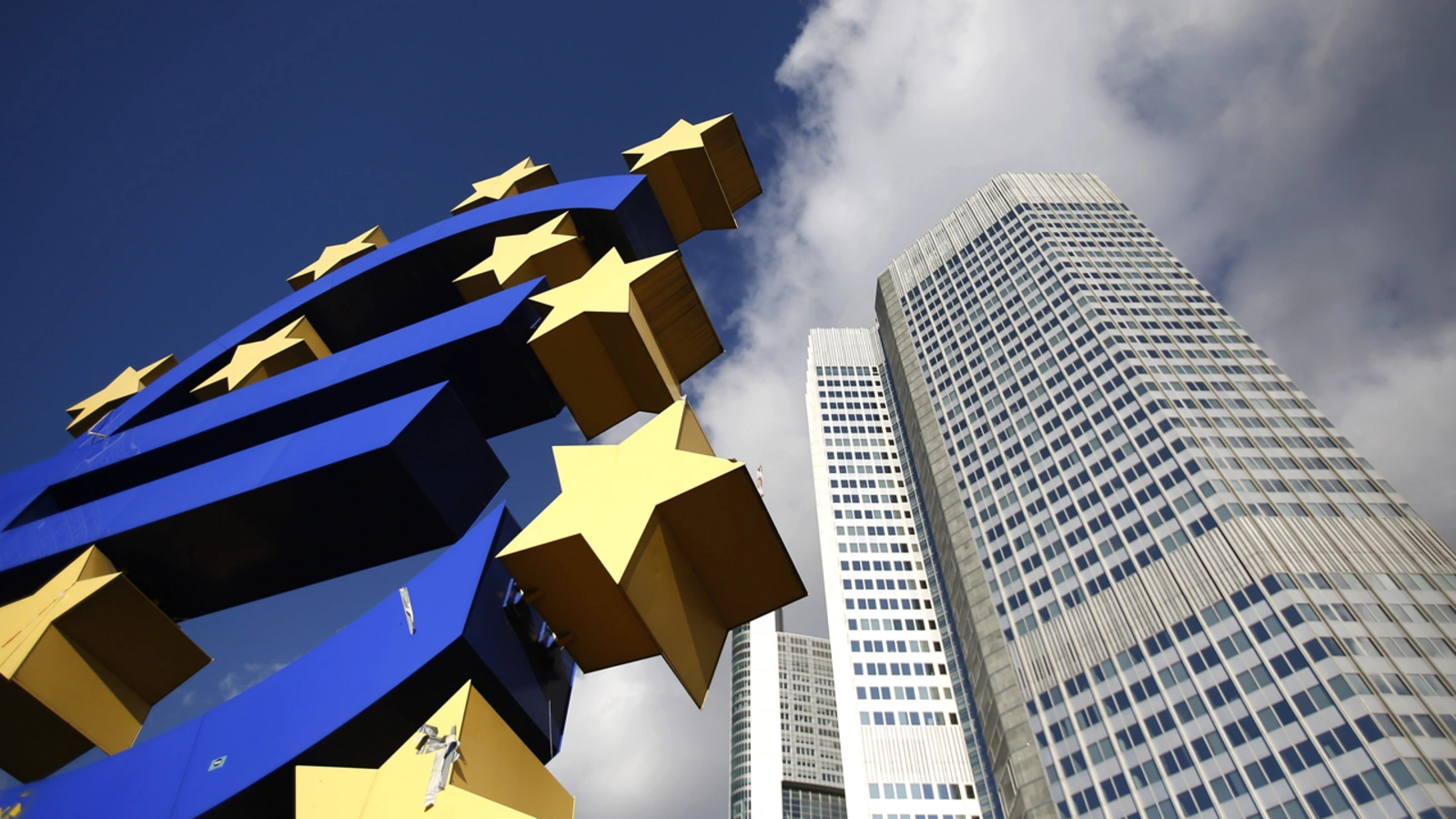
A quiet but powerful leadership shift is taking place in the Eurozone’s financial world. This detailed blog explores what is changing, why it matters, and how it will shape Europe’s future.

A New Energy Moving Through Europe’s Financial Power Hubs
Something subtle yet powerful is happening inside the Eurozone. Financial leaders, policymakers, and key decision-makers are slowly preparing for a shift in leadership and strategy, a shift that could reshape how Europe handles money, banks, risk, and recovery.
The region has already been feeling economic pressure in different forms. Inflation cooled but stayed uncomfortable. Growth slowed to a crawl. Debt levels rose. And many countries struggled to balance stability with development. That is why a change inside Europe’s top financial circle is making headlines, because this shift signals a new direction, a new tone, and a new vision for Europe’s future.
You can already sense this change in the way European leaders talk about reforms, resilience, and unity. The Eurozone knows that it can’t depend on old strategies forever, just like the world realised during the slowdown discussed here in
this internal link on manufacturing slowdown which shows rising global economic pressure.
Why This Leadership Shift Matters Right Now
A leadership change is not just about titles. It is about thought, approach, and courage. Europe is at a sensitive turning point.
1. Balancing inflation and growth
The Eurozone needs a leader who can keep inflation under control while supporting fragile economies that are still healing. Some regions need stimulus. Others need tough monetary discipline. The next leadership approach must juggle both.
2. Strengthening financial institutions
Banks across the Eurozone are facing new rules, digital competition, and global risks. The next leadership structure must help them become stronger, safer, and faster.
3. Preparing for global competition
The world’s financial system is shifting. The U.S., China, and emerging markets like India are expanding their influence. Europe knows it must step forward with clearer direction, and this leadership transition could help.
You can feel a similar sense of uncertainty and hope in
this blog on gold’s new rise which shows how the world looks for stability when markets change.
The People Behind the Shift: Calm on the Outside, Strategy on the Inside
What makes this moment so interesting is that the change is not loud. It is slow, calm, and strategic.
Inside Eurozone meetings, leaders are debating new banking frameworks, updated financial controls, and better coordination between nations. They are also preparing for unexpected global shocks, something the world saw during energy crises, supply chain disruptions, and sudden inflation waves.
This leadership change is not happening because Europe is weak. It is happening because Europe wants to be stronger than before.
Even major global outlets such as www.america112.com mention how leadership confidence influences currency strength and investor trust.
A Region Searching for Stability and Unity
A new tone in policy-making
Leaders want a more balanced approach — one that listens to markets but also protects citizens. They want policies that feel human, not mechanical.
A future-ready financial ecosystem
Digital currencies, AI-driven banking, and fintech pressure mean the Eurozone must evolve. The leadership changing now will decide how fast Europe steps into the future.
Crisis management with compassion
People across Europe want reassurance. They want to know their savings are safe, their jobs matter, and their future won’t be shaken by every global disturbance.
A leadership transition brings this hope.
How This Shift Could Shape Europe’s Next Decade
1. A stronger euro
A confident leadership team could boost the Euro’s long-term value and stability.
2. Better protection for economies like Italy, Spain, Portugal, Greece
These nations carry heavy debt and fragile growth. A coordinated strategy could protect them from downturns.
3. More unity among member states
The new leadership direction may bring more cooperation, fewer disagreements, and faster decision-making.
4. A refreshed image of Europe on the global stage
A powerful financial vision can help Europe negotiate better, invest wisely, and compete globally.
A Quiet Shift with a Big Future
This leadership shift may seem slow and silent, but its impact will be loud and long-lasting. Europe is not just changing names — it is changing mindset, strength, and strategy.
Just like global industries adapt to economic slowdowns and market shifts, Europe is adapting too.
And with each meeting, each reform, each new policy direction, a stronger Eurozone is being shaped — one decision at a time.