
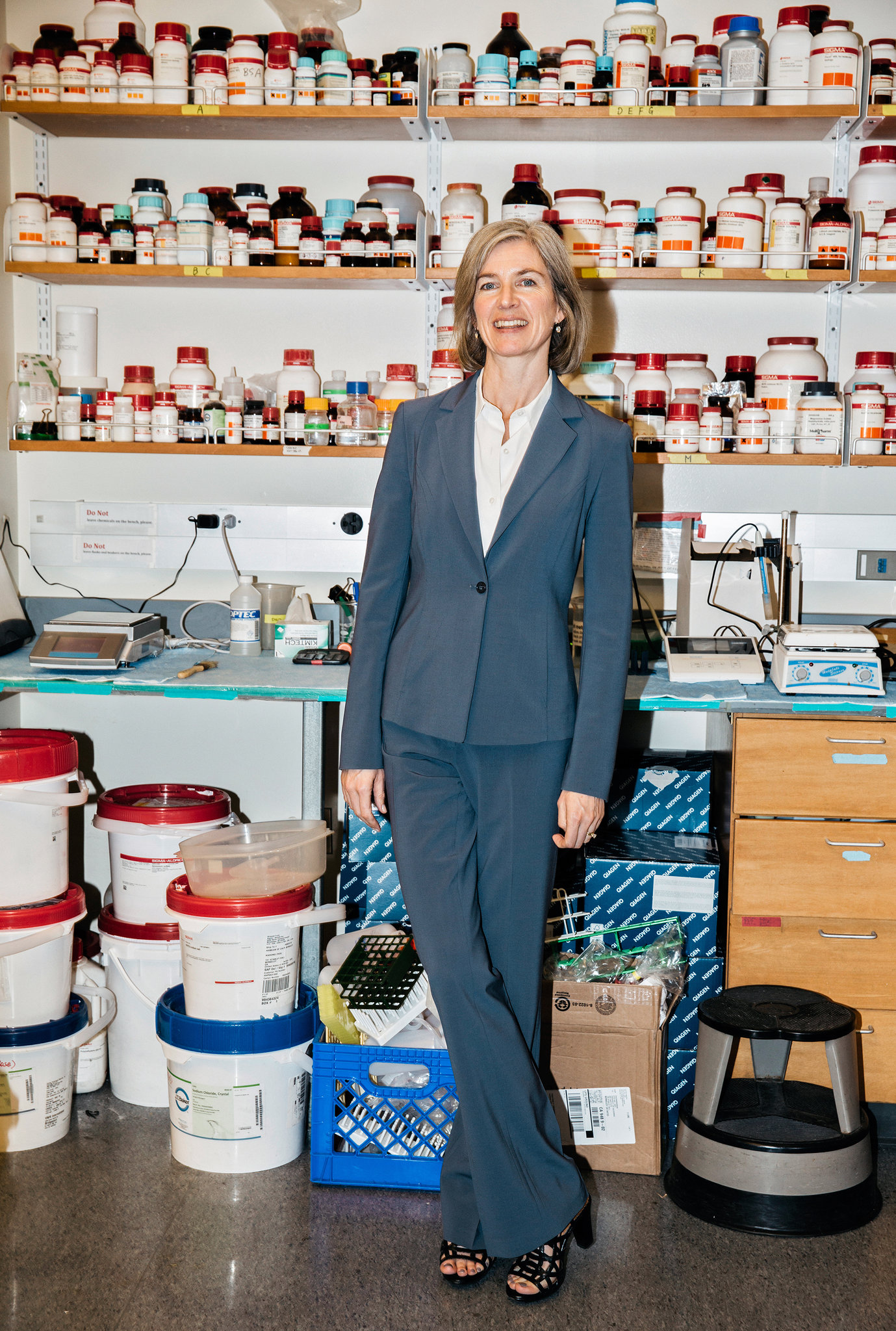
A deeply humanised look into the life, achievements, and legacy of Jennifer Doudna. She is the scientist who co-invented CRISPR. Her work changed modern genetics forever.
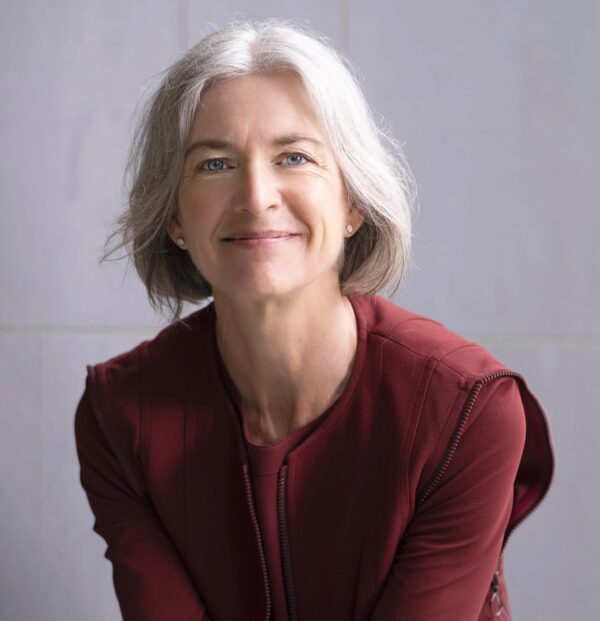
🌿 A Scientist Who Changed How Humanity Understands Life
Some people contribute to science.
Jennifer Doudna reshaped it.
Her CRISPR discovery did not just open a new chapter in genetics — it opened a new era.
But behind the global fame and the scientific spotlight is a woman who grew up with quiet curiosity, deep empathy, and a heart that still approaches the world with wonder.
Her journey reminds readers of inspiring human stories like A Swim of Hope, Love and Endless Strength, where courage meets destiny in unexpected ways.
🌸 Early Life: A Childhood Full of Questions
Born in Washington, D.C., and raised in the serene landscapes of Hawaii, Jennifer Doudna’s childhood was shaped by nature, silence, and books.
Her father, a professor of American literature, encouraged her to read widely, while her mother, a teacher, nurtured her curiosity.
But the turning point came when she discovered a copy of James Watson’s The Double Helix on her father’s shelf.
The story of DNA — its shape, its secrets, its importance — struck her like lightning.
That book made her ask a question that would silently follow her throughout her life:
“What if we could understand life well enough to change it?”
🔬 Growing Through Science: Her Path to CRISPR
Doudna studied chemistry at Pomona College, where she fell in love with science not for its precision but for its beauty. She later earned her PhD from Harvard University under Jack Szostak, a future Nobel laureate.
Her early research explored RNA, the molecule often overshadowed by DNA but responsible for carrying out the instructions of life.
Jennifer believed RNA had stories to tell — and she was determined to listen.
🧬 CRISPR: The Discovery That Redefined the Future
Her collaboration with Emmanuelle Charpentier led to the discovery of CRISPR-Cas9 gene editing in 2012 — a tool that can cut, edit, and rewrite DNA with astonishing accuracy.
What CRISPR made possible:
- Editing hereditary diseases at their root
- Developing new treatments for blood disorders
- Faster vaccine and antiviral research
- Creating crops that resist droughts and climate stress
- Studying diseases in ways humanity never could before
CRISPR became the foundation of a new scientific revolution.
And because of this discovery, Doudna and Charpentier won the Nobel Prize in Chemistry in 2020 — becoming only the sixth and seventh women ever to receive that honor.
Even global platforms like www.america112.com highlighted how her research represents one of the most promising frontiers in modern medicine.
💛 Humanity Behind the Breakthrough
Doudna often speaks openly about the emotional weight of CRISPR.
She once dreamt that Adolf Hitler asked her to explain the technology — a haunting reminder of how powerful and dangerous gene editing could become if misused.
Her compassion and responsibility echo the strength found in stories like The Love and Courage of Nadia Murad, where extraordinary women face extraordinary challenges with grace.
Jennifer’s honesty makes her relatable.
She is not ashamed to admit she feels fear — because that fear makes her careful.
🌍 Notable Works and Achievements
Jennifer Doudna’s work goes far beyond CRISPR. She has led groundbreaking research across multiple fields:
1. CRISPR-Based Diagnostics
Her team helped create rapid CRISPR tests to detect viral infections and genetic markers, showing how quickly gene-editing tools can save lives.
2. Understanding RNA Molecules
Her foundational research on RNA folding, catalysis, and structure helped scientists better understand how cells function.
3. CRISPR Ethics Advocacy
She has become one of the loudest voices advocating responsible gene editing, calling for:
- International regulations
- Public awareness
- Ethical transparency
- Genetic equity for all nations
4. Founding the Innovative Genomics Institute (IGI)
Doudna founded IGI at UC Berkeley, focusing on using CRISPR to:
- Cure sickle cell disease
- Develop gene-editing therapies
- Build climate-resilient crops
- Improve global food security
5. Awards and Global Recognition
Her honors include:
- The Breakthrough Prize in Life Sciences
- The Japan Prize
- The Kavli Prize
- Time 100 recognition
- The Wolf Prize in Medicine
But she remains humble, often saying:
“The work is bigger than me.”
🌱 A Voice for Future Generations
Jennifer Doudna teaches us that science should always be guided by ethics and empathy. She regularly speaks with policymakers, students, farmers, doctors, and parents because she believes gene editing belongs to everyone — not just scientists.
Her leadership style is calm, thoughtful, and deeply human.
She wants gene editing to heal, not divide.
To protect, not exploit.
To uplift, not dominate.
🌟 Legacy: A Woman Who Brought Hope to Science
Jennifer Doudna’s story is not just about CRISPR.
It is about a girl who looked at the world with questions and grew up to give humanity answers.
Her legacy reminds us that curiosity and courage can change the direction of life on Earth.
She stands as one of the greatest scientific role models of our era — inspiring dreamers, thinkers, and explorers everywhere.
Discover more from recital.blog
Subscribe to get the latest posts sent to your email.