
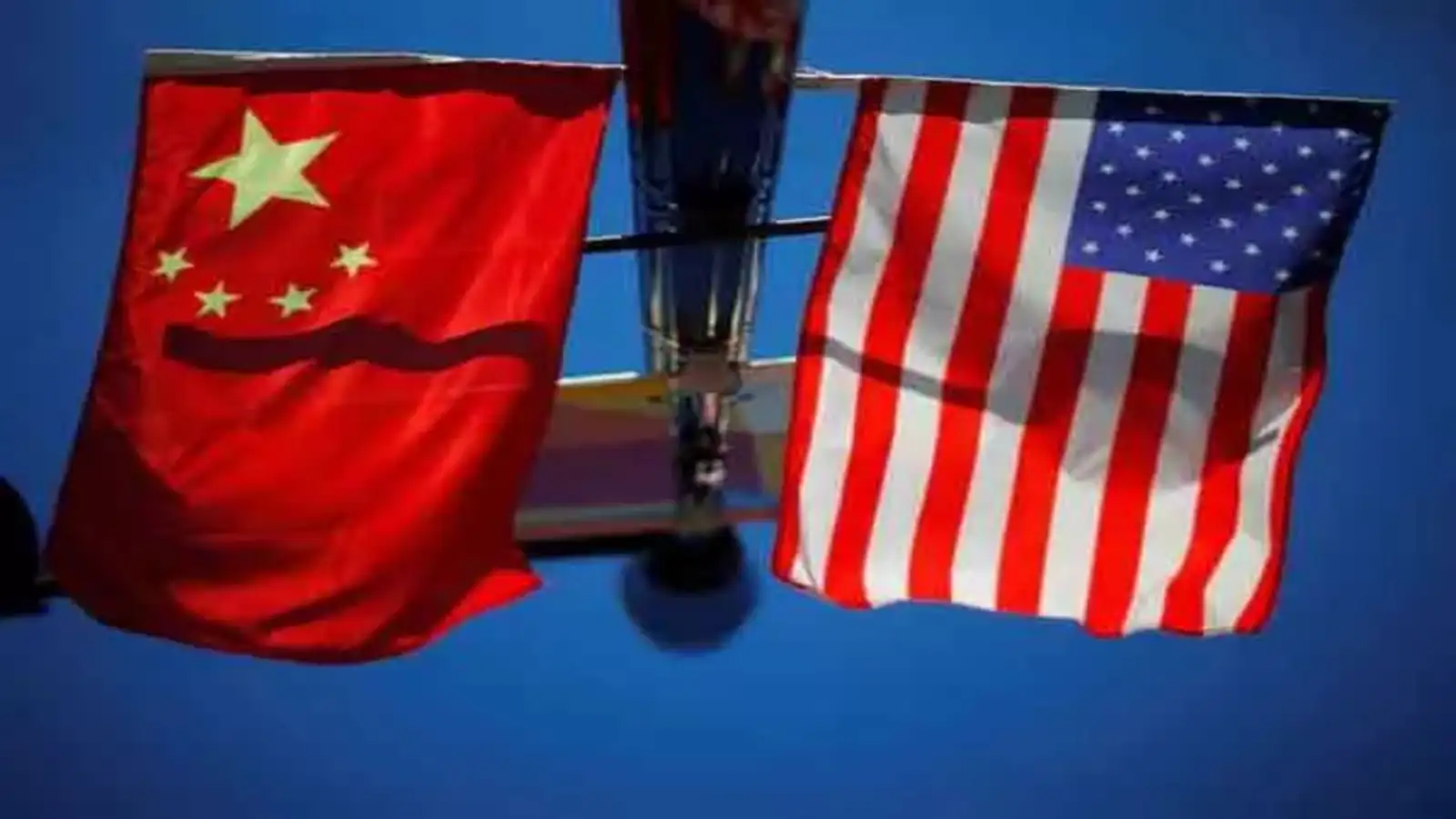
The U.S. and China hit pause on their long-running tariff war, sparking hope for economic recovery and global trade stability. Here’s what it means and why it matters.
U.S. and China Pause Tariff War – A New Hope for the Global Economy
After years of back-and-forth tension, the world’s two largest economies—the United States and China—have finally hit the pause button on their intense tariff war. This 90-day ceasefire may seem temporary, but it has sent a wave of hope across global markets and industries.
This isn’t just news for economists or policymakers. It matters to every entrepreneur, manufacturer, investor, and even you—because when these two giants argue, the world economy feels the tremble.
What’s Really Happening?
The U.S. has agreed to slash tariffs on Chinese goods—dropping rates from a punishing 145% to a more manageable 30%. China has responded in kind, reducing tariffs on U.S. goods from 125% to just 10%. It’s a bold signal: both sides want to talk, not just retaliate.
This truce isn’t permanent, but it’s a major break in a trade war that has affected everything from smartphones and solar panels to soybeans and automobiles.
A Sigh of Relief for Global Markets
Within hours of the announcement, financial markets reacted with optimism. Stock exchanges in the U.S. and Asia rallied. Investors welcomed the news with enthusiasm. The Nasdaq and S&P 500 saw sharp increases. This kind of reaction shows how deeply intertwined global confidence is with U.S.-China relations.
Major financial institutions, such as JPMorgan, have also updated their forecasts. With trade tensions easing, the likelihood of a U.S. recession in 2025 has dropped significantly. Economic growth projections have been nudged upward. The world is watching—and hoping this momentum continues.
The Ground Reality: Business Cautiously Optimistic
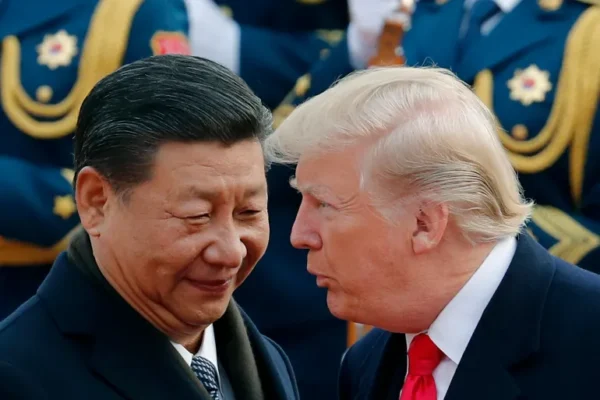
While leaders are shaking hands and smiling for the cameras, manufacturers on the ground are watching with cautious hope. Chinese factories that had slowed or even stopped shipments to the U.S. are gradually firing up again. American companies are reviewing supply chains and pricing strategies that were disrupted by years of tension.
But make no mistake—this is a truce, not a treaty. Many business owners are bracing themselves. If the negotiations fail after 90 days, the tariffs may return stronger and more disruptive than before.
What’s at Stake?
The next few weeks are critical. This is not just about money—it’s about setting the tone for how global superpowers cooperate in a fractured world.
Topics on the negotiation table include:
- Technology transfer rules
- Market access
- Intellectual property protections
- Climate cooperation
- Geopolitical influence in Asia and beyond
This pause is an opportunity to solve deeper, long-standing issues. It’s a window to prove that diplomacy can still work in today’s complex world.
Why Should You Care?
You might wonder—what does this have to do with me? Whether you’re buying gadgets online or planning to travel, trade wars affect prices, availability, and even job stability.
If this truce evolves into a lasting deal, we could see:
- More affordable consumer goods
- Stable fuel prices
- Higher investor confidence
- Growth in global employment
And more importantly, it sends a message that peaceful negotiation is still possible in a tense, divided world.
Stay Informed and Engaged
For more updates on major international developments, check out our International News category. You may also be interested in reading about the latest developments in the India-Pakistan ceasefire agreement to see how diplomacy is reshaping South Asia too.
To explore a broader perspective on global events, politics, and economics, visit America112.
Final Thoughts
This isn’t just a trade deal—it’s a moment of calm in a stormy world. A chance to choose cooperation over conflict. As global citizens, we should all root for dialogue over division, and peace over pressure.
Let’s hope that this truce is not the end, but a beautiful beginning.
Discover more from recital.blog
Subscribe to get the latest posts sent to your email.